There's a real answer to "what furniture style books best on Airbnb," and it's slightly disappointing: the styles that perform are the ones that please the most people in a thumbnail at nine at night, not the ones that win design awards. A rental isn't a place to express your taste — it's a product photographed for strangers who decide in two seconds whether your room looks like somewhere they'd want to wake up. The styles that win are warm, cohesive, and broadly likable. The styles that lose are bold, personal, or polarizing — no matter how good they look in person.
This is a guide to the furniture styles that actually attract bookings, why they work, and — the part most "best styles" lists skip — how to see your specific room in each one before you commit, since the right style for your space depends on your light and proportions as much as on any ranking.
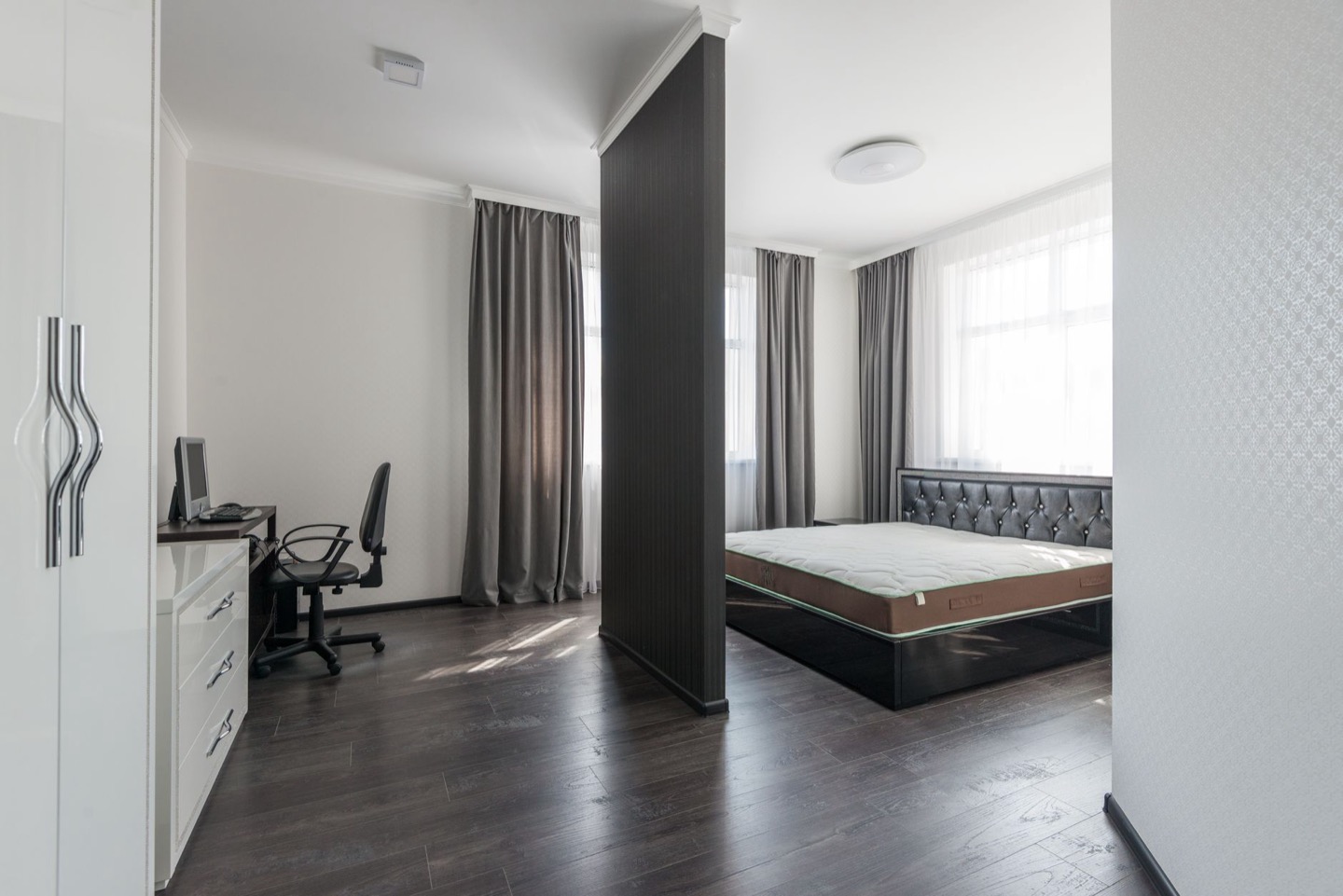 Before
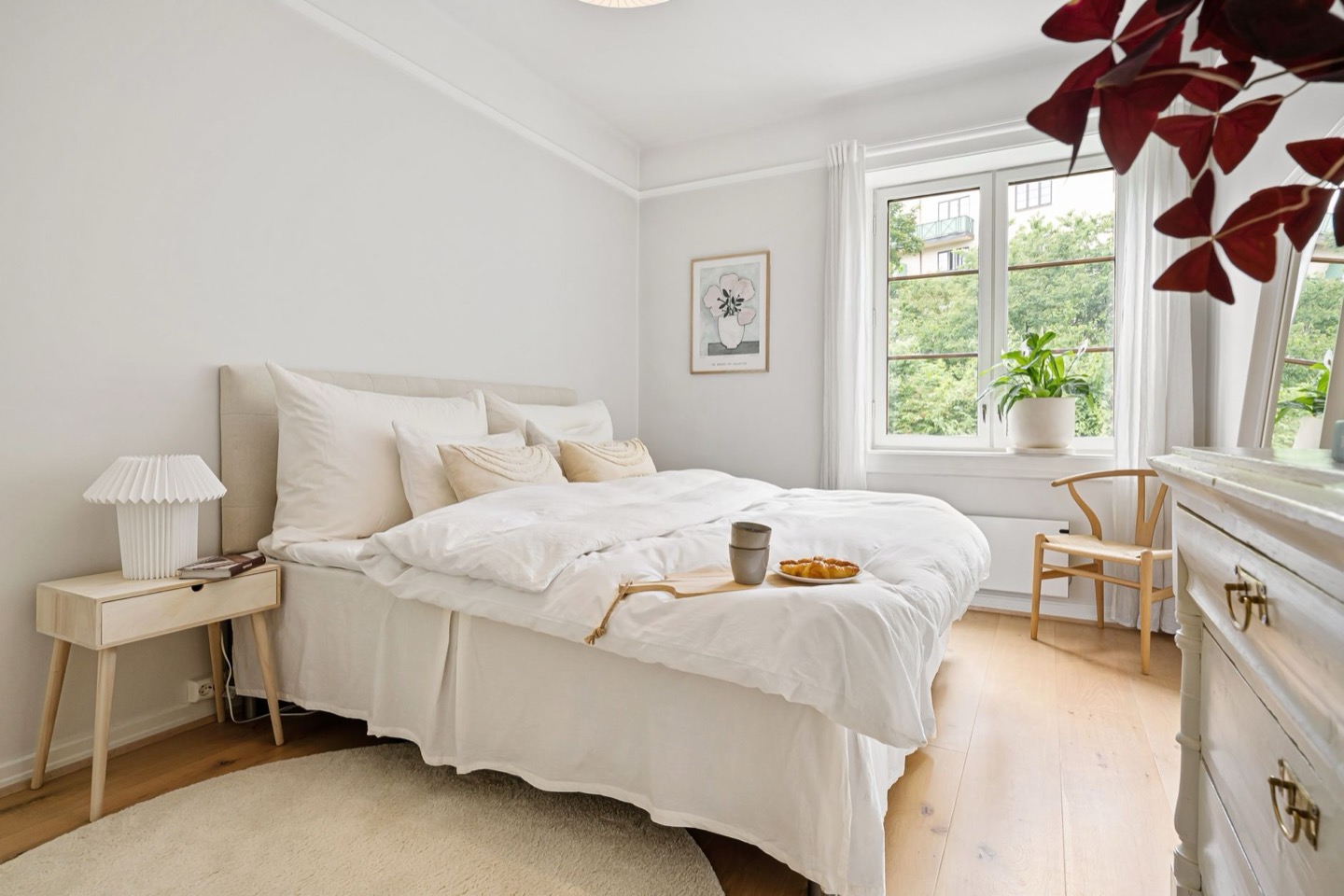 After
Why style choice shows up in your booking rate
Furniture style isn't decoration — it's the variable that decides whether your listing photo gets a click.
The mechanism is simple. A guest scrolling thirty listings isn't reading; they're reacting. A warm, calm, cohesive room reads as "nice place, clean, I could relax here" before a single conscious thought. A room with a bold personal style — heavy color, a strong theme, mismatched eras — makes the brain hesitate, and hesitation at thumbnail scale is a scroll-past. The booking is won or lost in that pre-verbal flicker.
The styles that consistently book best
A handful of styles perform across most markets and property types. They share a DNA: warm, light-reflective, layered with texture, easy to like.
- Scandinavian — blonde wood, white or chalky walls, wool and linen, one plant. The highest-floor, lowest-risk style there is. It photographs bright even in mediocre light because the palette is built to bounce it around, and it never reads as "someone's weird taste." If you're unsure, this is the safe, high-converting default.
- Japandi — darker woods, clean lines, deliberate empty space, sparing black accents. Reads premium and calm. Strong in urban and design-forward markets where it signals taste without shouting.
- Modern Coastal — sand, driftwood, sea-glass tones, natural textures. Built for beach and lake markets, where it matches the setting instead of fighting it. The trick is keeping it modern and avoiding the literal-shells cliché.
- Warm Minimal — limewash plaster tones, natural oak, generous negative space. Performs well in mountain, suburban, and higher-end markets. Calm and uncluttered without going cold.
What unites them is restraint plus warmth. They layer texture (which photographs as quality) while keeping the palette tight (which photographs as calm). The Airbnb interior design guide goes deeper on which aesthetic suits which market.
The styles that quietly cost you bookings
Just as useful to know: the styles that look great to you and read poorly on camera.
- Bold or themed rooms. A heavily themed listing finds its small audience and loses the larger one. Niche themes work in a few destination markets; everywhere else they narrow your guest pool.
- Heavy traditional or "grandma's house." Dark woods, ornate patterns, lots of small objects. Reads dated and cluttered at thumbnail scale even when it's beautifully kept.
- Fast-furniture maximalism. Every surface styled, every wall full. Airiness is what reads as "designed"; clutter reads as "lived-in," which is the opposite of what a guest wants to book.
- Mismatched eras. A great mid-century chair next to a heavy traditional dresser next to an industrial lamp. Each fine alone; together the brain reads "accidental."
The common thread is that they make the viewer's brain work, and a working brain scrolls past.
The catch: the best style depends on your room
Here's where most style lists fail you. They tell you Scandinavian books well — true — and leave you to guess whether it'll work in your east-facing 9×11 bedroom with the honey-oak floor. It might read cold there where a warmer Japandi or Warm Minimal would glow. The ranking narrows your options; it can't make the decision, because the decision depends on your light, your proportions, and the floor you already have.
This is the argument for seeing your room in each style before you buy. A design planner lets you preview your actual space in Scandinavian, Japandi, Modern Coastal, and Warm Minimal side by side — your walls, your window, your light — so you choose the style that flatters your room rather than the one that topped a list. Settle the wall color in your real light too, with the free wall color preview, since the palette anchors the whole style.
A worked example: the same room, the booking-friendly version
Here's a bedroom taken into a high-performing style — chosen by previewing the room first, then shopped from the result.
Shopping list
- Blonde oak bed frame (queen)The style's anchor. Pale wood is the spine of Scandinavian and kept the small room open.$169
- Warm white waffle duvet + 2 shamsTexture plus a clean white — reads cozy and hotel-fresh at thumbnail scale.$72
- Chunky wool throw (oat)The 'cozy' object that pushes the style from plain to inviting in a photo.$44
- Two ceramic lamps, 2700KWarm, symmetric light — the difference between a calm room and a flat one on camera.$78
- Flat-weave wool rug, 5x7The third texture layer. Cohesion is what makes a style read as 'designed.'$49
- Framed art pair + real plantRestraint, not maximalism — one art pair, one living thing, nothing crowding the frame.$56
Every choice here serves the same goal: warm, cohesive, easy to like at a glance. That's what books — and seeing it in the actual room first is what kept it from going cold.
Picking a style for a refresh
If your listing is furnished in a style that isn't performing, you don't always need to replace it — you need to nudge it toward warmth and cohesion. A redesign might mean repainting to a warmer neutral, swapping cool bulbs for warm, and editing the clutter, which shifts the whole room toward a booking-friendly read for a fraction of re-furnishing. The short-term rental design guide covers where to start.
See your room in each style before you choose
The best furniture style for your Airbnb isn't the one that topped a list — it's the high-performing style that flatters your specific room. The only way to know which is to see your space in each before you buy. Upload one photo, preview the options side by side, and shop the one that fits. A single preview against a roomful of furniture in the wrong style: here's the pricing, and the first room is free.
See your room in the styles that book
Upload one photo. Preview your space in Scandinavian, Japandi, Modern Coastal, and Warm Minimal — then shop the one that fits. First room is free.
Preview My Styles — Free$29 per additional room · One-time · No subscription
FAQ
What furniture style gets the most Airbnb bookings? Warm, cohesive, broadly appealing styles — Scandinavian, Japandi, Modern Coastal, and Warm Minimal — consistently outperform bold or personal looks, because they read as clean and inviting in a thumbnail where guests decide in about two seconds.
Why does Scandinavian book so well? It photographs bright even in poor light, never reads as eccentric taste, and pleases the widest range of guests. For a host unsure where to start, it's the highest-floor, lowest-risk choice.
Can I see my room in different styles before buying furniture? Yes. A design planner previews your actual room in several styles side by side, with shopping lists, so you choose the one that flatters your light and proportions rather than guessing from a ranking.
Should I match my furniture style to my location? Lean toward it where it helps — coastal styles in beach markets, warm minimal in mountain markets — but keep it warm and broadly appealing rather than literal or themed. Match the setting without turning the room into a costume.