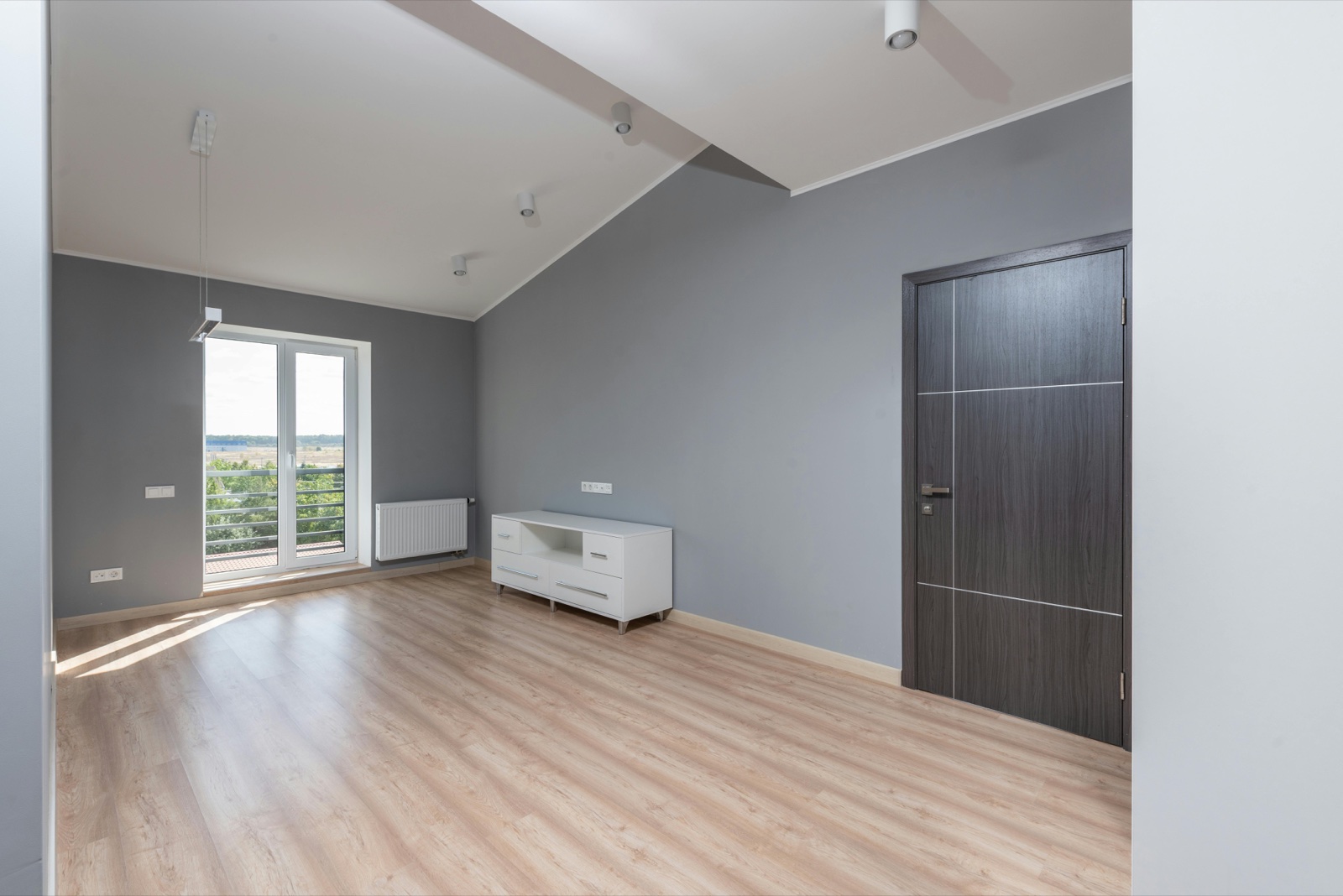
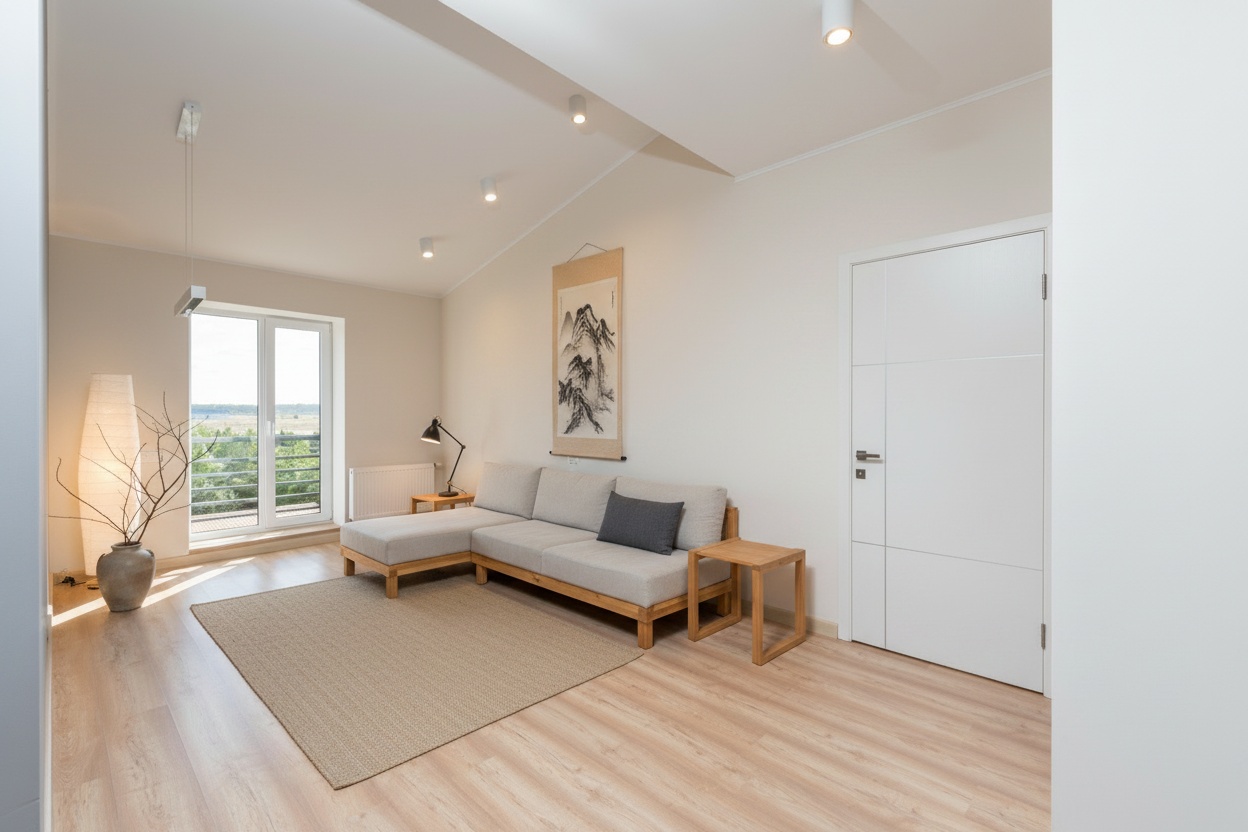
Here is the thing most hosts learn the expensive way: a short-term rental is not a home you decorate, it is a product you photograph. A guest decides whether to tap your listing in about two seconds, on a phone, at night, against a grid of forty other rentals. Everything good STR design does is in service of winning that two-second glance — and then keeping the guest scrolling once they are inside the listing.
What STR design is — and why it pays for itself
STR design is interior design pointed at a single number: your booking rate. It borrows from regular interior design but answers to a different judge. A room is not finished when it feels nice to stand in; it is finished when it reads clean, warm, and inviting in a thumbnail. That shift changes the rulebook — photo-first composition over in-person flow, durable and replaceable furnishings over precious ones, a warm-neutral palette that pleases the widest range of guests over personal taste.
The reason hosts treat it as a revenue lever, not décor:
- Listings with high-quality photography get up to 24% more bookings (Airbnb).
- Staged short-term rentals command 20–40% higher nightly rates than unstaged comparables (Home Staging Institute).
- On a $150-a-night listing, a 25% lift is roughly +$13,687 a year — from one weekend of work.
How Restage does it
The whole point is to take the guessing out. You photograph the room as it is. Restage takes it from there.
- Photograph the room. One clear, wide shot in daylight, from a corner at about waist height. The better the source photo, the better the result.
- Pick a style. Scandinavian, Japandi, Modern Coastal, Warm Minimal, and more — each tuned for rental appeal and for surviving real guests.
- Get your design. Three photoreal variants of your actual room, a shopping list with real products and prices, paint colors, and a lighting plan. In minutes.
If you want to see the capture-style-deliver flow in detail, here is exactly how Restage works. And because the look it returns is photoreal, you can also use it as a design planner — preview the room, then buy from the list, instead of buying first and hoping.
The five rooms that move the needle
Not every room earns the same return. When you design a short-term rental, spend in this order — it tracks how guests actually read a listing:
- The hero shot — your living space. Your cover photo lives or dies here. It is the first of the five photos that drive most of your listing views, and the only one some guests ever see before they scroll past.
- The primary bedroom. The next question in every guest's head is where will I sleep? White bedding, a real headboard, two matched nightstands, warm light. A bare mattress reads as budget even on a $300 listing.
- The kitchen. Clear the counters, leave one styled vignette, get good light. A cluttered kitchen reads as "not clean," no matter how spotless it actually is.
- The bathroom. A single folded towel stack and one plant turn "rental" into "small spa." It is the cheapest perceived-quality upgrade in the place.
- The entry or exterior. The arrival shot sets the guest's expectations before they read a word.
If your budget covers one room this quarter, do the living space or the primary bedroom — they carry the most booking weight. If your listing is simply tired rather than empty, an Airbnb redesign of those two rooms is usually the highest-ROI move you can make.
STR design principles that hold up on camera
Short-term rental design follows its own rules. The ones that matter most:
- Design for the thumbnail. A room has to read at the size of a postage stamp. Symmetry, depth, and one clear focal point win the glance.
- Warm, neutral, broadly liked. You are pleasing the widest range of guests, not expressing yourself. Warm whites, natural wood, one accent. Save the bold wallpaper for your own house.
- Durable and replaceable. Strangers use everything weekly. Choose finishes and textiles you can wipe down or swap cheaply.
- Light in layers, at 2700K. Never one cold overhead. Warm, layered light is the single biggest difference between a room that feels cozy and one that feels institutional.
- One look per room. A coherent aesthetic beats a mix of three. That is exactly what a style track enforces — and why designing to a single track outperforms decorating piece by piece.
The mistakes that quietly cost you bookings
- Cold, bright-white LED bulbs. The fastest way to make a good room look clinical in photos. Swap every bulb in the shot to a warm 2700K.
- Bare walls. They read as temporary and unloved. One or two framed pieces above the bed or sofa fix it for under $40.
- Furniture too big for the room. An oversized sectional shrinks a space in a wide shot. Choose pieces with visible legs — they let the floor show and the room breathe.
- Old or dim photos. Even a well-designed room loses bookings if the photos are two years old or shot at dusk. Restyle the room, then reshoot in daylight.
- Personal taste over guest appeal. Polarizing choices narrow your audience. Neutral-but-warm converts the widest.
STR design vs. hiring a short-term rental designer
A traditional STR designer charges $2,000–$5,000 per room, or $150–$300 an hour to consult. That is the right call for a complex full-property build. But for the core decision most hosts actually need — what the room could look like, what to buy, what paint and lighting to use — Restage delivers a photoreal plan for $29 per room, first room free.
| STR designer | Restage | |
|---|---|---|
| Cost per room | $2,000–$5,000 | $29 (first free) |
| Turnaround | 2–6 weeks | Minutes |
| Photoreal preview of your room | Mood boards | Three variants |
| Shopping list | Sometimes | Always, with prices |
See the full pricing breakdown — one free room, then $29 each or $99 for up to ten.
Try one piece before you commit to the whole room
Not ready to redesign a whole space? Start with a single decision. Each of these is free for your first room and funnels into the full restyle when you want it:
- Test a paint color in your actual room — before you buy a single can.
- Remove dated furniture or clutter from a room photo.
- Stage an empty room — see a bare space furnished and photo-ready.
Pick your short-term rental design style
Each track is a complete, host-tested look. Start with the room-by-room guides: