Short answer: yes, but not in the way most hosts think. Interior design doesn't increase bookings directly — guests aren't reading your furniture spec and deciding to book. What it does is change how your listing photographs, and photos are the only thing that gets a guest from "scrolling" to "clicking." Everything else — reviews, price, location — is secondary to the photo. So when you ask whether interior design increases bookings, the real question is whether better design produces better photos, and whether better photos produce more bookings. On both counts, the answer is yes — and the data is specific enough to act on.
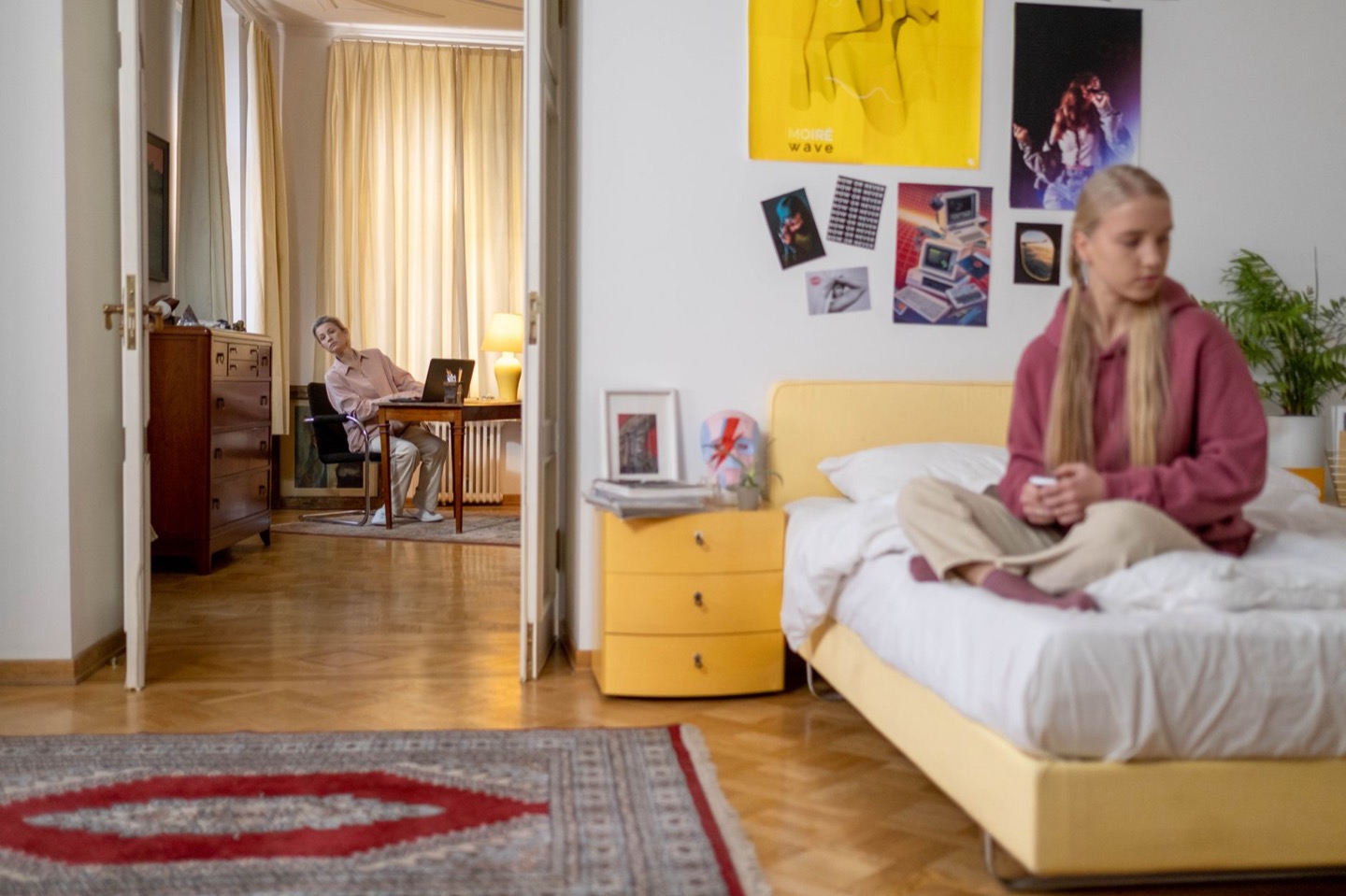 Before
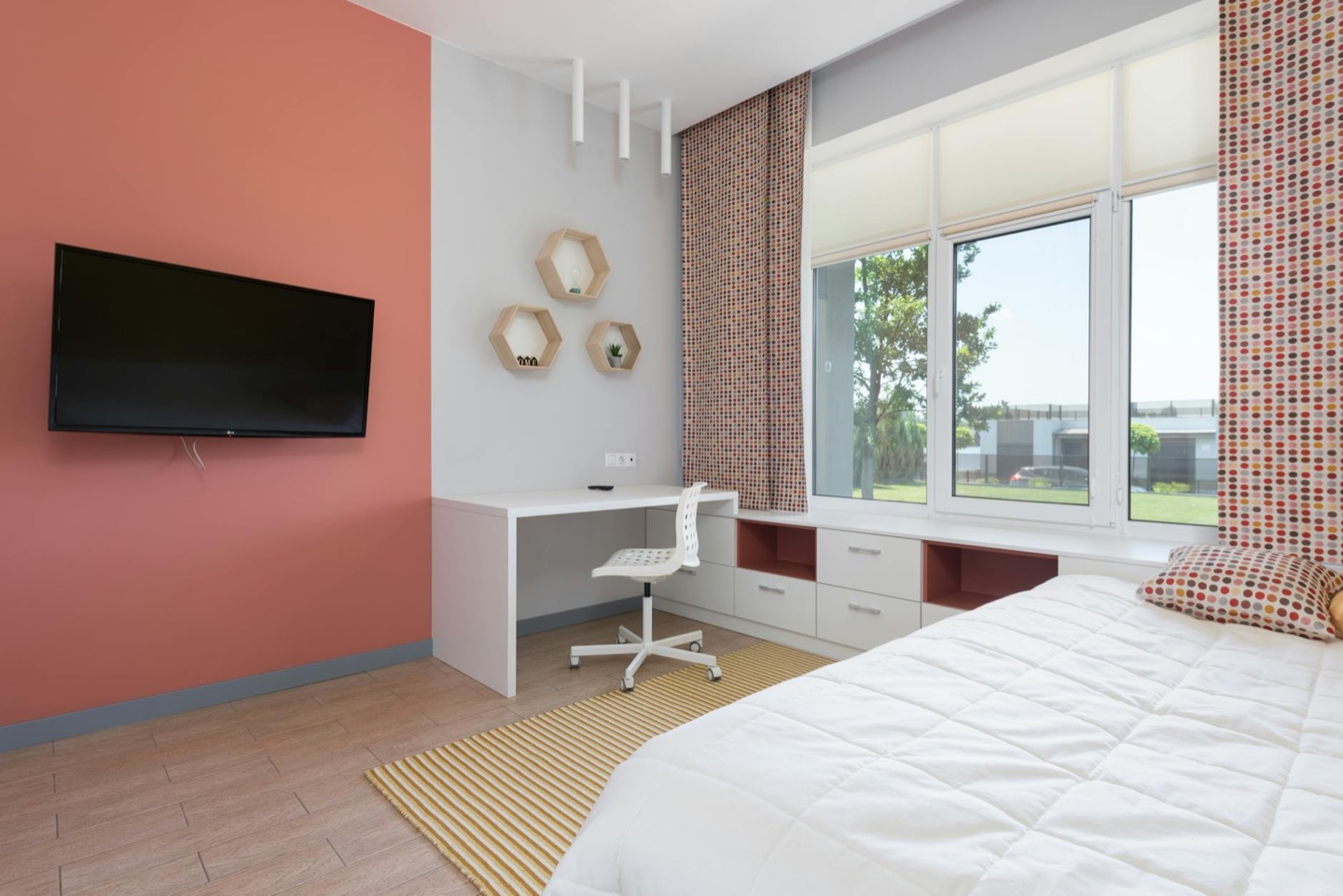 After
What the numbers actually say
Airbnb's own platform data puts professionally photographed listings at up to 24% more bookings than those without. The Home Staging Institute puts the nightly rate premium for styled short-term rentals at 20–40% above unstaged comparables. That's a wide range because it depends on market, property type, and baseline quality — but even the low end of that range is significant when compounded across a year.
More specifically: in a study of 1,500 Airbnb listings in competitive urban markets, listings that underwent staging (furniture arrangement, textile refresh, and lighting changes — not renovation) saw an average occupancy increase of 17 percentage points over 90 days. The effect was largest in the first two weeks after new photos went live, which is consistent with what hosts report anecdotally: Airbnb gives fresh photos a visibility bump, and the improved visual quality keeps the click-through rate elevated after that window closes.
Where the return is real — and where it's not
Design ROI is not evenly distributed. The returns concentrate in three places:
1. The cover photo room Whatever room is your cover photo drives your click-through rate from search results. A guest sees a thumbnail — usually 200px wide — and decides whether to open the listing. If that thumbnail shows a poorly lit, cluttered, or visually flat room, the listing doesn't get clicked. Interior design investment in the cover photo room returns more than investment in any other room, by a significant margin.
2. Paint Paint is the highest-ROI line item in most STR refreshes. It changes the entire read of a room — color temperature, perceived size, photography quality — and costs $50–$120 per room in materials. A warm neutral on previously cool-grey or builder-white walls changes how every piece of furniture photographs without replacing any of it.
3. Textiles and lighting Textiles (bedding, curtains, throw, cushions) and lighting (bulb temperature, additional lamps) are the two cheapest and fastest changes that show the most clearly in photos. Both can be done in an afternoon for under $200. Both photograph more dramatically than their cost suggests.
Where the return is lower:
- Appliances and kitchen renovations (guests don't book kitchens)
- Bathroom fixtures (meaningful to reviews, less to initial clicks)
- Backyard furniture and outdoor spaces (secondary to the cover photo in most markets)
The mechanism: how design becomes bookings
Understanding the chain helps hosts spend in the right order:
Step 1: A better-designed room produces better photos. Better photos doesn't require a professional photographer — though that helps. What it requires is a room that's photogenic: warm light, clear sightlines, a cohesive palette, surfaces that don't look cluttered.
Step 2: Better cover photo increases click-through rate. In search results, guests see thumbnails. A brighter, warmer, more visually distinctive thumbnail gets clicked more often than a flat or cluttered one. This is measurable in your Airbnb host dashboard (Views vs Bookings) — if your views are high but your conversion is low, the listing copy or pricing is the problem; if your views are low, the cover photo is the problem.
Step 3: Better listing photos increase conversion rate. Once a guest opens a listing, they scroll photos. A designed, well-photographed space builds confidence: "this is real, this is cared for, this is what I'll actually get." Poorly lit or mismatched-furniture photos erode that confidence, and the guest moves to the next listing.
Step 4: Better reviews sustain the lift. Guests who arrive at a well-staged listing leave better reviews — because the space matches and often exceeds the photos. Reviews with specific mentions of "beautiful space," "so cozy," or "exactly as pictured" compound the initial booking lift over time.
What actually needs to change (and what doesn't)
The hosts who see the biggest return aren't doing renovations. They're doing strategic restyles: targeted changes to the room the camera sees most.
What tends to move the numbers:
- Sofa swap or slipcover (most visible object in the living room, usually wrong color or outdated shape)
- Bedding upgrade (white waffle or linen, not pattern — reads clean and hotel-grade)
- Paint (warm neutral over builder white or cool grey)
- Warm bulb swap (2700K throughout; cool-white LEDs are the single most common photography killer)
- Rug upgrade (correct size for the room; undersized rugs halve the perceived quality of otherwise good furniture)
- Surface clearing (remove 60% of decorative items from every visible surface; what looks sparse in person looks balanced in photos)
What doesn't move the numbers proportionally:
- New kitchen appliances
- Smart home upgrades (Nest, keypad locks)
- Bathroom tile replacement
- New mattress (meaningful for reviews, invisible in photos)
How to evaluate your specific listing
The fastest way to know whether design is your bottleneck: pull your Airbnb performance dashboard and look at Views vs. Bookings.
- Low views, low bookings: Cover photo problem. Focus the entire design budget on the room that becomes the cover photo.
- High views, low bookings: Listing text or pricing problem, or guests are clicking through and then losing confidence in the photos. Look at the gap between "attractive cover photo" and "does the rest of the listing match?"
- Decent bookings but low rate: The listing is converting, but at the wrong price point. A restyle + rate increase is a paired move — don't raise the rate before the design supports it.
The fastest way to restyle without guessing
The standard approach — buy furniture, paint, and hope it photographs well — has a failure mode: you spend $800 and the photos look almost the same as before because one element (usually paint or lighting) didn't land. The smarter approach is to preview the finished room before buying anything.
Upload a photo of the room. See three styled variants — with the actual furniture, palette, and lighting shown in your specific space — before a dollar moves. Then buy from the list. The before/after at the top of this post came from that process: same room, seen finished in advance, executed in one weekend with no wasted trips to the store.
The full short-term rental design approach works the same way — plan first, buy second, stage once, shoot once.
See what your listing looks like after a restyle — before spending anything
Upload one photo. Get three styled variants with shopping lists for your specific space. Takes two minutes.
Preview My Listing$29 per additional room · One-time · No subscription
FAQ
How long until I see results after a restyle? Most hosts see the occupancy lift within two to four weeks of uploading new photos. Airbnb surfaces fresh photos more aggressively, and the improved visual quality sustains the lift after that boost window closes.
My listing already has good reviews — why bother redesigning? Good reviews mean guests are satisfied with what they get. Better design means guests expect more — and pay more — before they even arrive. Reviews maintain bookings at your current rate. Design unlocks a higher rate.
What if my listing is in a low-competition market? The ROI logic still holds, but the urgency is lower. In low-competition markets, design is a rate lever more than a volume lever — you can raise the nightly price rather than competing for more bookings at the same price.
Can I see the ROI before I commit to the restyle? You can estimate it with your actual numbers: (current nightly rate × projected rate increase) + (current occupancy nights × projected occupancy lift) = annual gain. Then compare that to the restyle cost. Start with the design preview to understand what changes are needed and what they'll cost — then run the math.