Every rental bed needs a top layer, and there are two main options: a comforter, which is one quilted piece that goes straight on the bed, or a duvet, which is an insert that sits inside a removable cover. At home, it's mostly a matter of taste. In a rental, it's an operations decision that affects hygiene, laundry costs, turnover time, and how your beds look in photos.
Ask ten cleaners and you'll hear strong opinions both ways. Here's how the two compare where it counts.
The verdict: Use a duvet insert inside a white duvet cover on most rental beds. The cover is washed after every stay like a sheet, which is the hygienic standard guests expect, and the insert is washed only occasionally. Choose a comforter only if you have the laundry capacity to wash it after every guest, or if you put a top sheet underneath and wash it frequently, as in some budget setups.
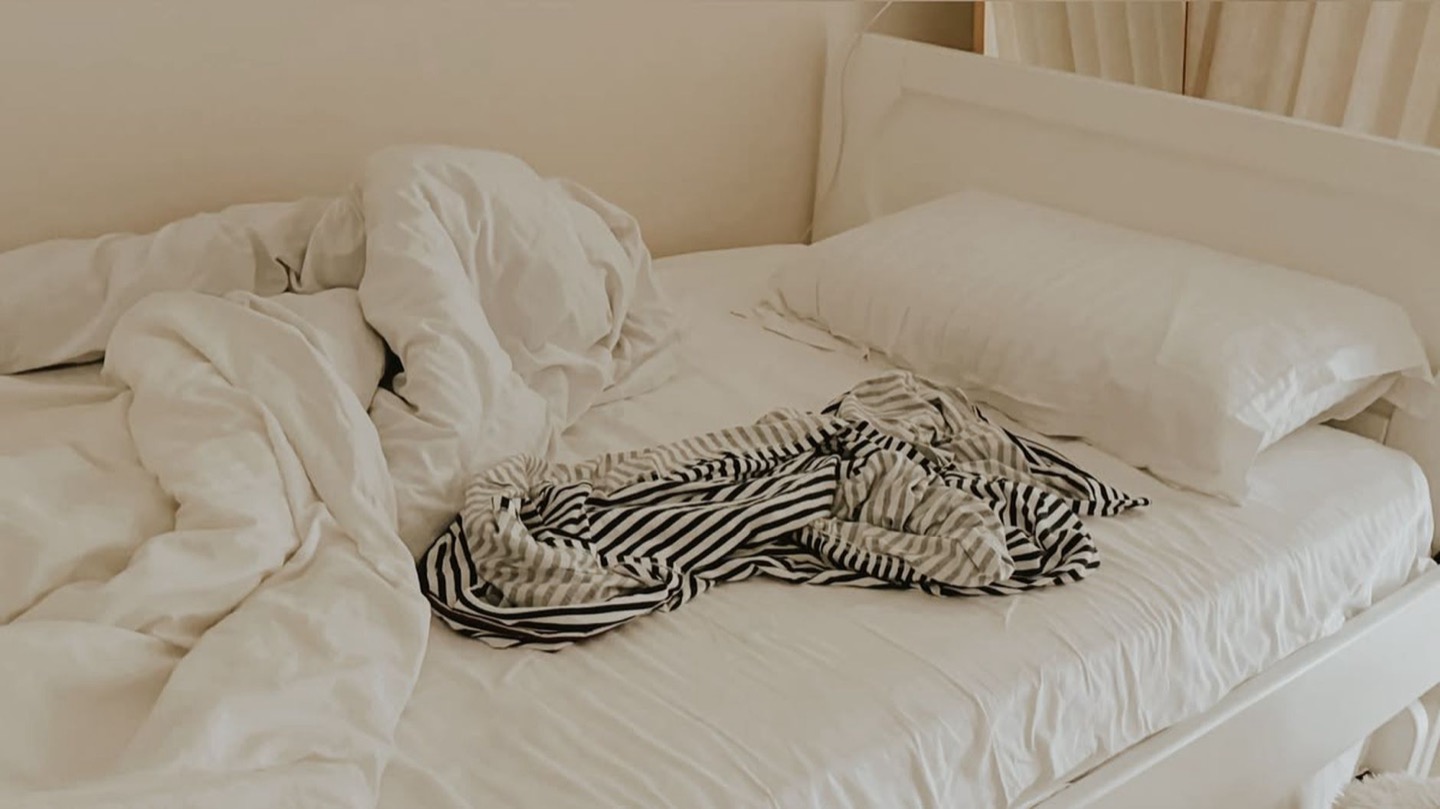 Before
 After
Side by side
| Duvet + cover | Comforter | |
|---|---|---|
| What gets washed each stay | The cover only | The whole comforter (ideally) |
| Laundry load | Light; cover washes like a sheet | Heavy; bulky, slow to dry |
| Hygiene | Easy to guarantee | Hard to guarantee if not washed every stay |
| Turnover time | Changing the cover takes practice | Fast to put on the bed |
| Looks in photos | Plump, hotel-like | Often flatter; can look dated |
| Style flexibility | Swap covers to change the look | Must replace whole comforter |
| Upfront cost | Insert + several covers | One comforter per rotation |
| Storage | Covers fold flat | Bulky to store spares |
The hygiene question
This is the deciding factor for most professional hosts.
Guests assume everything that touches them has been washed since the last guest. With sheets and pillowcases, it's easy. With a comforter, many hosts quietly don't wash it after every stay, because it's bulky, slow to dry, and wears out faster with constant washing. Guests know this, and many are uneasy about it. Some even travel with their own sleeping bag liner because of it.
A duvet cover solves the problem. It's washed after every stay, just like a sheet, so the entire surface a guest touches is fresh. The insert inside it is protected and needs washing only every few months or when soiled.
That's also why white duvet covers are the standard: they can be bleached and washed hot, and they visibly show they're clean. We cover the color question in our white vs colored bedding guide.
Laundry: the hidden cost
Comforters are hard to wash. A queen or king comforter fills a home washing machine, often too much to clean properly. It takes a long time to dry, and if it isn't fully dry it can smell musty. Many cleaners have to take comforters to a laundromat with large machines, which costs time and money.
Duvet covers wash like sheets. They fit in standard machines with the rest of the bed linens and dry relatively quickly.
Over a year of turnovers, that difference adds up. If your cleaner does laundry on-site, comforters can turn a same-day turnover into a scramble. If you use a commercial laundry service, check their pricing: bulky items like comforters are often charged at a higher rate.
Turnover time: the one area comforters win
Putting a duvet cover on an insert is the task cleaners complain about most. Done badly, it takes minutes and leaves the insert bunched in one corner, which guests notice.
Ways to make it faster:
- Covers with corner ties or loops that attach to the insert, so it stays in place.
- Covers with zip closures on three sides or "wraparound" designs that open fully.
- The burrito method: turn the cover inside out, lay it on the insert, roll from the top, and flip the ends. Cleaners who learn it can change a cover in under two minutes.
- One insert size per bed size, so covers always fit.
With the right cover and a little practice, the time difference mostly disappears.
How each looks in photos
A duvet usually looks better. A good insert in a white cover is plump and lofty, which is the "hotel bed" look guests want to see in a bedroom photo. It's easy to fold back, layer pillows against, and style with a throw.
Comforters vary. A high-quality comforter can look good, but many are flat, quilted in visible patterns, or printed in colors that look dated in a few years. Because the color and pattern are built in, you can't freshen the look without replacing it.
If your goal is a bed that looks luxurious in photos, a white duvet is one of the cheapest ways to get there. It's central to our luxurious Airbnb under $500 approach.
Choosing a duvet insert
- Fill: down alternative (synthetic) is the practical choice for rentals. It's hypoallergenic, washable, and cheaper to replace. Real down is lovely but triggers allergies and needs more careful cleaning.
- Weight: a medium or "all-season" weight suits most guests. Keep a lighter throw for warm nights and an extra blanket for cold ones.
- Construction: baffle-box or sewn-through boxes keep fill evenly spread. Avoid cheap inserts that clump.
- Corner loops: essential for keeping the insert in place.
- Size: match the cover exactly, or go one size up for a plumper look on a smaller bed (for example, a king insert on a queen bed hangs more generously over the sides).
When a comforter can still work
Budget setups with a top sheet. Some hosts use a top sheet between the guest and the comforter, wash the top sheet each stay, and wash the comforter on a schedule. It's cheaper, but some guests still don't like it, and it's harder to guarantee hygiene.
Kids' rooms and bunk beds. Making up a top bunk with a duvet cover is awkward. A lightweight, machine-washable comforter or a coverlet can be easier, as long as you wash it every stay.
Properties with large on-site machines. If you have commercial-capacity washers and dryers, washing comforters every stay is practical.
If you choose comforters, keep enough spares that every bed gets a freshly washed one at every turnover.
The coverlet option
A third option is worth knowing: a coverlet, a thin quilted layer. In warm climates, many rentals use a sheet set plus a coverlet instead of a duvet, washed every stay. Coverlets are light, fast to dry, and look neat and tailored. Add a duvet or blanket in the closet for cooler nights.
Seasonal adjustments
In cold climates, add a heavier insert or a wool blanket in winter. In hot climates, swap to a lightweight insert or a coverlet in summer. Label inserts by season so cleaners always use the right one.
How many of each you need
For each bed:
- Duvet covers: three (on the bed, in the wash, spare)
- Duvet inserts: one, plus one spare per two to three beds for emergencies
- Mattress protector: two
- Pillow protectors: one per pillow, plus spares
Because white covers are interchangeable, you can keep a shared pool for all beds of the same size.
Shopping list
- Down-alternative duvet insert, all-season, queen, with corner loopsHypoallergenic, washable, and stays in place inside the cover.$70
- White cotton duvet cover with corner ties, queen (x3)Washed after every stay; ties stop the insert from bunching.$150
- Lightweight coverlet or quilt for warm nightsGives guests a cooler option without removing the duvet.$60
- Extra blanket stored in the closetFor guests who sleep cold. Prevents 'bed was cold' reviews.$40
- Breathable mattress protector (x2)Protects the mattress under everything.$80
The mattress underneath
Bedding can only do so much. If the mattress is uncomfortable, a perfect duvet won't save your reviews. Our memory foam vs hybrid mattress guide covers the most important part of the bed. And if you're still deciding on bed size, see our king vs queen bed guide, since king duvets are the hardest to wash at home.
Cleaner's checklist for duvet beds
- Strip the cover and check the insert for stains or odors.
- Spot-check the mattress protector.
- Put on a fresh cover using corner ties.
- Shake out the insert so fill is evenly spread.
- Fold the top back a quarter, stack pillows, and drape a throw at the foot.
- Take a quick photo for your records. Consistent beds look professional to guests and in photos.
Quick decision checklist
- Want the most hygienic, hotel-standard setup? → Duvet + white cover
- Bunk beds or kids' rooms? → Washable comforter or coverlet, washed every stay
- Warm climate? → Coverlet, with a duvet in the closet
- Large on-site washers and dryers? → Either works
- Want flexibility to change the look later? → Duvet
See the bed before you buy
A plump white duvet changes how a whole bedroom photographs. To see your bedroom restyled with new bedding, pillows, and layers before you buy anything, restyle your room.
See your bed styled like a hotel
Upload a photo of your bedroom and preview it restyled with bedding, pillows, and furniture, plus a shopping list. First room is free.
Restyle My Room$29 per additional room · One-time · No subscription
FAQ
Do Airbnbs wash comforters after every guest? They should, but many don't, which is why many hosts prefer duvets. The duvet cover is washed after every stay, so guests always get a fresh surface.
Is a duvet or comforter warmer? It depends on the fill and weight, not the type. An all-season duvet insert suits most guests; keep an extra blanket available.
How often should I wash a duvet insert? Every few months, or immediately if it's stained or smells. A cover and protector keep it clean between washes.
What's the fastest way to change a duvet cover? Use covers with corner ties and learn the "burrito" method. Most cleaners can do it in under two minutes with practice.
Should duvet covers be white? White is the most practical for rentals because it can be bleached and shows it's clean. Add color with throws and pillows instead.