Flooring is the largest surface in almost every listing photo, and the one guests touch the most. It also takes more punishment in a rental than in any home: rolling suitcases, sand, ski boots, spilled wine, and a deep clean every few days.
For most hosts, the choice comes down to luxury vinyl plank (LVP) or carpet. Carpet is cheaper up front and softer underfoot. LVP is easier to clean and photographs better. Here's how they compare on what actually matters in a short-term rental.
The verdict: Choose LVP for nearly every room in a short-term rental: living areas, kitchens, bathrooms, and most bedrooms. It's faster to clean, survives turnover, and photographs cleaner. Keep carpet only where a building requires it for sound (some condos), in a basement bedroom that needs warmth, or on stairs. Then use area rugs on LVP to get the softness back.
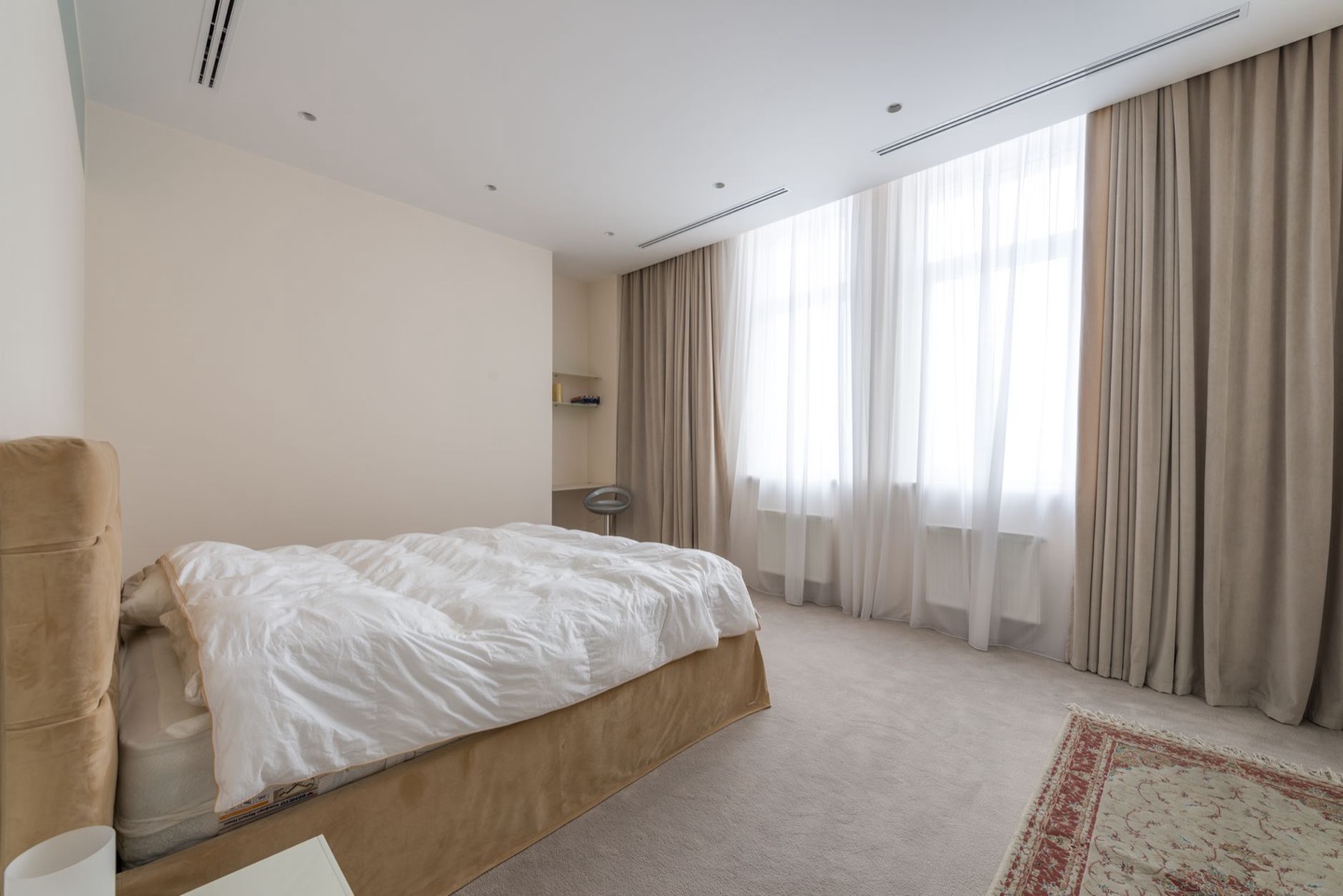 Before
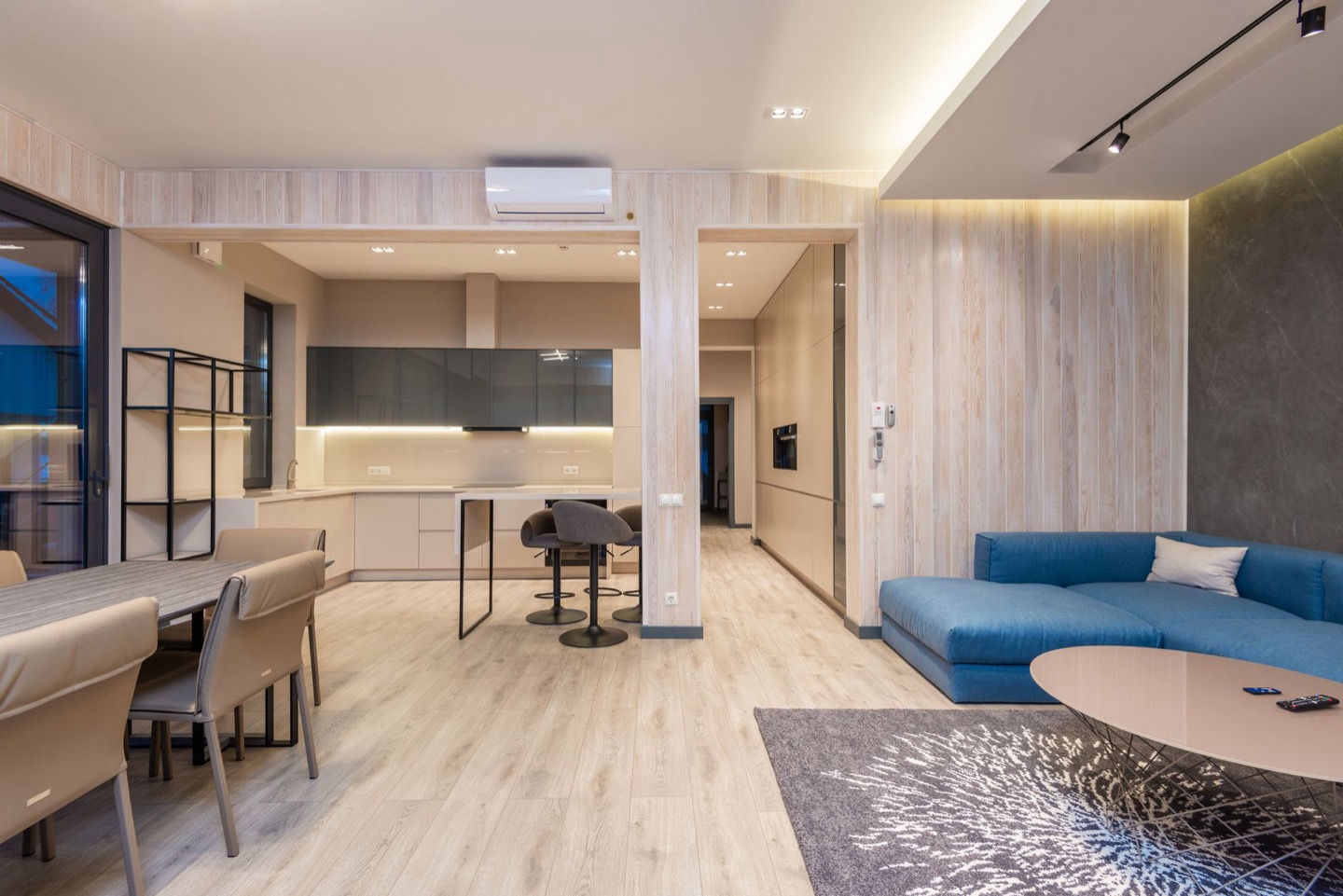 After
Side by side
| LVP | Carpet | |
|---|---|---|
| Installed cost (typical) | About $4–$10 per sq ft | About $3–$7 per sq ft |
| Cleaning between guests | Vacuum and mop, minutes | Vacuum, spot-treat, periodic deep clean |
| Stains | Wipe off | Wine, makeup and pet stains can be permanent |
| Odors and allergens | Doesn't hold them | Holds smoke, pet and food odors and dust |
| Water resistance | Waterproof products widely available | Damaged by leaks and spills |
| Lifespan in a rental | 10–20 years | Often 5–8 years under rental wear |
| Comfort and warmth | Firm, can feel cold | Soft and warm |
| Noise | Louder; needs good underlayment upstairs | Quietest option |
| Photographs as | Clean, bright, updated | Often dated; shows stains and wear |
Cost ranges vary a lot by region and product quality. Treat these as rough planning numbers, and get local quotes.
Why carpet works against you in a rental
Guests read carpet as "less clean." Fair or not, many travelers associate wall-to-wall carpet with hidden dirt, especially in bedrooms. In reviews, carpet comes up most when there's a stain, a smell, or "the carpet felt dirty." Hard floors rarely get a mention, which is what you want.
Turnover is harder. A cleaner can vacuum and mop LVP in a fraction of the time it takes to vacuum carpet properly, treat stains, and get it to look fresh. Over hundreds of turnovers a year, those minutes become real money.
Stains are permanent problems. Red wine, self-tanner, makeup, and coffee are part of rental life. On LVP, they wipe off. On carpet, one bad night can mean professional cleaning or replacement, and an unlucky stain in a photo can stay in your listing for months.
It photographs dated. Beige wall-to-wall carpet is one of the strongest "this place hasn't been updated" signals in a listing photo. LVP in a light oak or natural wood tone reads current and clean.
Where carpet still makes sense
Condos with sound rules. Many condo associations require carpet or a certified sound-rated underlayment on upper floors. Check your bylaws before you rip anything out. If carpet is required, choose a low-pile, stain-resistant product in a neutral color, and budget for professional cleaning a few times a year.
Basements and cold-climate bedrooms. Basements can feel cold underfoot. Carpet or carpet tiles add warmth, though a waterproof LVP with a thick rug is often still the better choice where moisture is a risk.
Stairs. Carpet on stairs is safer and quieter, and a stair runner over hardwood or LVP gives the same benefit with a more updated look.
LVP: what to buy for a rental
Not all LVP is equal, and cheap product shows wear quickly in a high-traffic rental.
- Wear layer: at least 12 mil for a rental; 20 mil for kitchens, entries and anything near a beach or ski area. The wear layer is what protects against scratches.
- Waterproof core: SPC (stone-polymer core) is rigid and handles temperature swings well, which matters in cabins and seasonal properties.
- Attached pad: helps with noise and comfort. In condos, check that the product meets the building's sound rating.
- Color: a light-to-mid natural oak tone. It hides dust and sand better than very dark floors, and doesn't look clinical like very gray floors. Avoid strong gray LVP; it's already dating fast and makes rooms photograph cold.
Getting softness back: rugs on LVP
The one real advantage carpet has is comfort. You can get most of that back with area rugs, and they photograph far better than wall-to-wall carpet because they define zones and add texture.
- Bedroom: a rug under the lower two-thirds of the bed, extending at least 18–24 inches on each side, so guests' feet land on something soft. In a king bedroom, that usually means an 8 x 10. (Our king vs queen bed guide covers the bed-sizing side.)
- Living room: large enough that at least the front legs of every seat sit on it.
- Material: washable rugs, flatweaves, or low-pile wool blends are the easiest to keep clean between guests.
Rugs also make small rooms look more finished in photos, a trick we use in our small Airbnb bedroom staging ideas.
Room by room
- Entry and mudroom: LVP or tile, always. This is where sand, snow and mud arrive.
- Kitchen: LVP or tile. Never carpet.
- Living room: LVP with a large rug.
- Bedrooms: LVP with a rug, unless building rules or a cold basement push you to carpet.
- Bathrooms: waterproof LVP or tile.
- Stairs: LVP treads with a runner, or a durable low-pile carpet.
Style notes by property type
Cabins and mountain homes: a warm, wide-plank LVP with visible grain fits the setting. Pair with wool or jute rugs. Our cabin staging ideas cover the rest of the look.
Beach rentals: light, sandy oak tones hide sand and look airy. Choose a high wear layer; sand acts like sandpaper.
City apartments: mid-tone natural oak is the safest, most current choice. Keep rugs simple and low-pile.
Older homes with real hardwood under the carpet: check before you buy LVP. Refinishing existing hardwood is often cheaper than new flooring and is a big selling point in listings.
Plan the floor before you buy furniture
Flooring changes how every other choice looks. A rug that looks great on beige carpet can clash with a new oak floor, and a bed frame that looked warm against carpet can look orange next to the wrong LVP.
Map the whole room first with our Airbnb design planner, then restyle your room to see the new floor, rug, and furniture together before you commit.
How it plays out in three common rentals
A ski condo on the third floor. The HOA requires a sound-rated underlayment. The host installs a waterproof SPC plank with an attached pad that meets the rating, adds an 8 x 10 wool rug in each bedroom, and puts a washable runner by the door for ski boots. Cleaners mop salt and slush in minutes instead of fighting stained carpet.
A beach cottage with old beige carpet. Sand grinds into carpet and never fully comes out, and the carpet shows in the cover photo. Light oak LVP with a 20-mil wear layer replaces it, and a jute-look washable rug defines the living area. The cover photo now reads bright and coastal instead of tired.
A basement suite in a cold climate. The basement stays cool and has a history of minor moisture. Carpet would trap that moisture. A waterproof LVP with a thick rug pad and a large rug gives warmth underfoot, while a dehumidifier handles the air. If a leak ever happens, the floor survives.
How long each floor really lasts
Lifespan is where the cost comparison flips. Carpet is cheaper to install, but in a busy rental it often needs replacing far sooner than a quality LVP, especially in bedrooms where stains build up. Over ten years, many hosts replace carpet once or twice while the LVP is still going. When you add cleaning time and the photo impact, LVP usually costs less over the life of the property.
See the new floor in your room first
Upload a photo and preview your room restyled, with flooring, rugs, and furniture together. First room is free.
Restyle My Room$29 per additional room · One-time · No subscription
FAQ
Is LVP really better than carpet for rentals? For most rooms, yes. It's faster to clean, doesn't hold odors or stains, lasts longer under rental wear, and photographs as updated.
Is LVP noisy in an upstairs unit? It can be louder than carpet. Use a product with an attached pad or an approved sound underlayment, and add rugs in bedrooms and living areas.
Should I replace carpet before or after I start hosting? Before, if you can. Floor replacement means moving all the furniture and blocking out dates. It's much easier to do in an empty property.
What color LVP looks best in photos? A light-to-mid natural oak tone. It looks warm and clean, hides dust, and works with most furniture. Very dark floors show dust; very gray floors look cold.
Are carpet tiles a good compromise? They can be in basements or kids' rooms, since you can replace a single stained tile. They still hold odors more than hard flooring and rarely photograph as well.