title: "Small Airbnb Bedroom Staging Ideas (Under $1,000)" slug: "small-airbnb-bedroom-staging-ideas" date: "2026-06-01" description: "Small Airbnb bedroom staging ideas that make tight rooms photograph larger — floor plan, furniture picks, and a shopping list under $1,000." primaryKeyword: "small airbnb bedroom staging ideas" pillar: "P2" intent: "commercial" heroBefore: "/images/blog/small-airbnb-bedroom-staging-ideas/before.jpg" heroAfter: "/images/blog/small-airbnb-bedroom-staging-ideas/after.jpg" internalLinks:
- "/restyle"
- "/airbnb-design-planner"
- "/str-design"
- "/free-wall-color"
- "/pricing" relatedPosts:
- "scandinavian-airbnb-bedroom-under-500"
- "airbnb-luxurious-under-500"
- "warm-minimal-airbnb-living-room" draft: false
A small Airbnb bedroom loses bookings in two places: the thumbnail (it reads dark or cramped) and on arrival (guests feel like they overpaid for the space). Both problems are staging problems. The room doesn't need to be larger — it needs to photograph and feel larger than it is.
The techniques for this are specific and repeatable. Hosts who crack the small-bedroom staging problem run some of the most booked-out listings in dense urban markets, because the staging creates a perception of value that matches or exceeds the price.
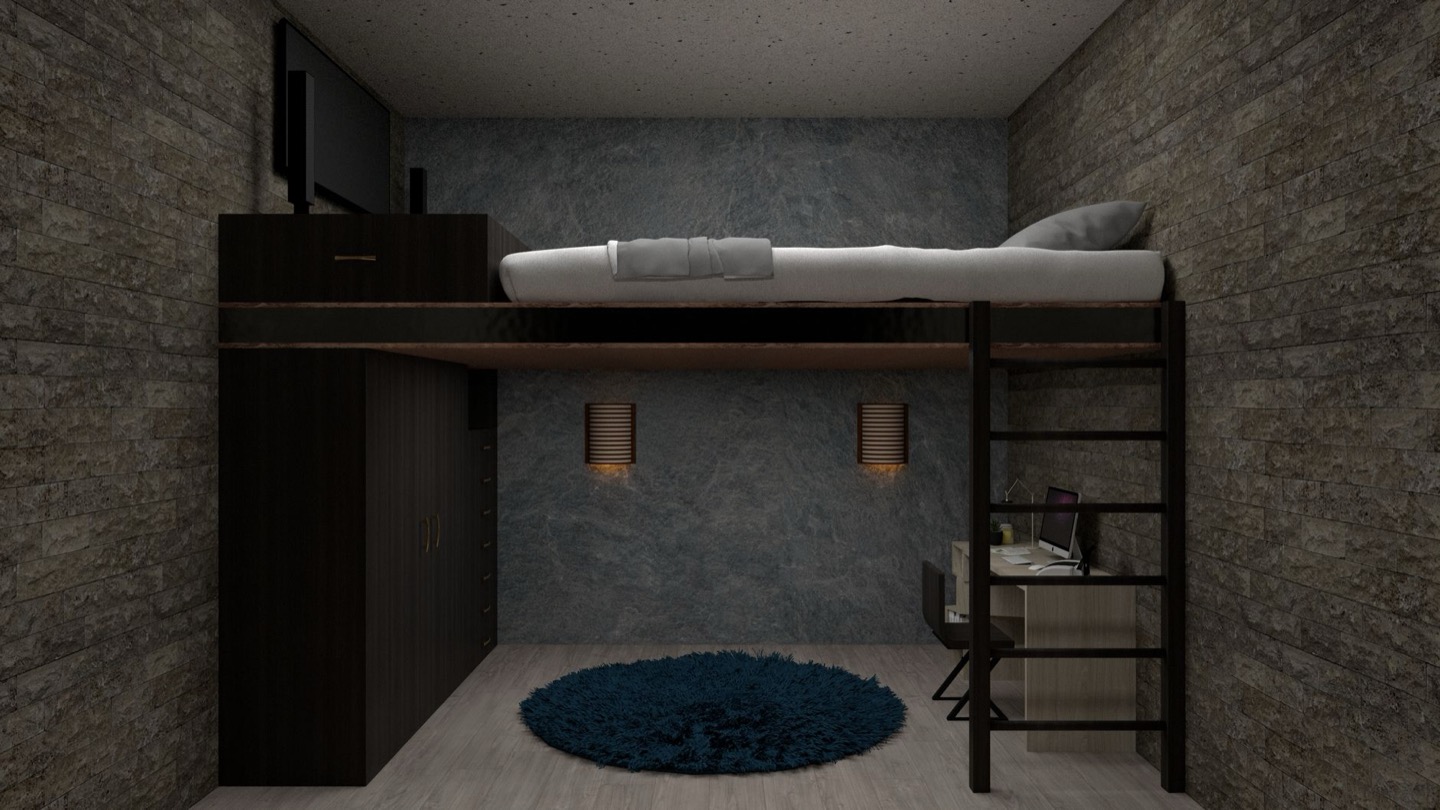 Before
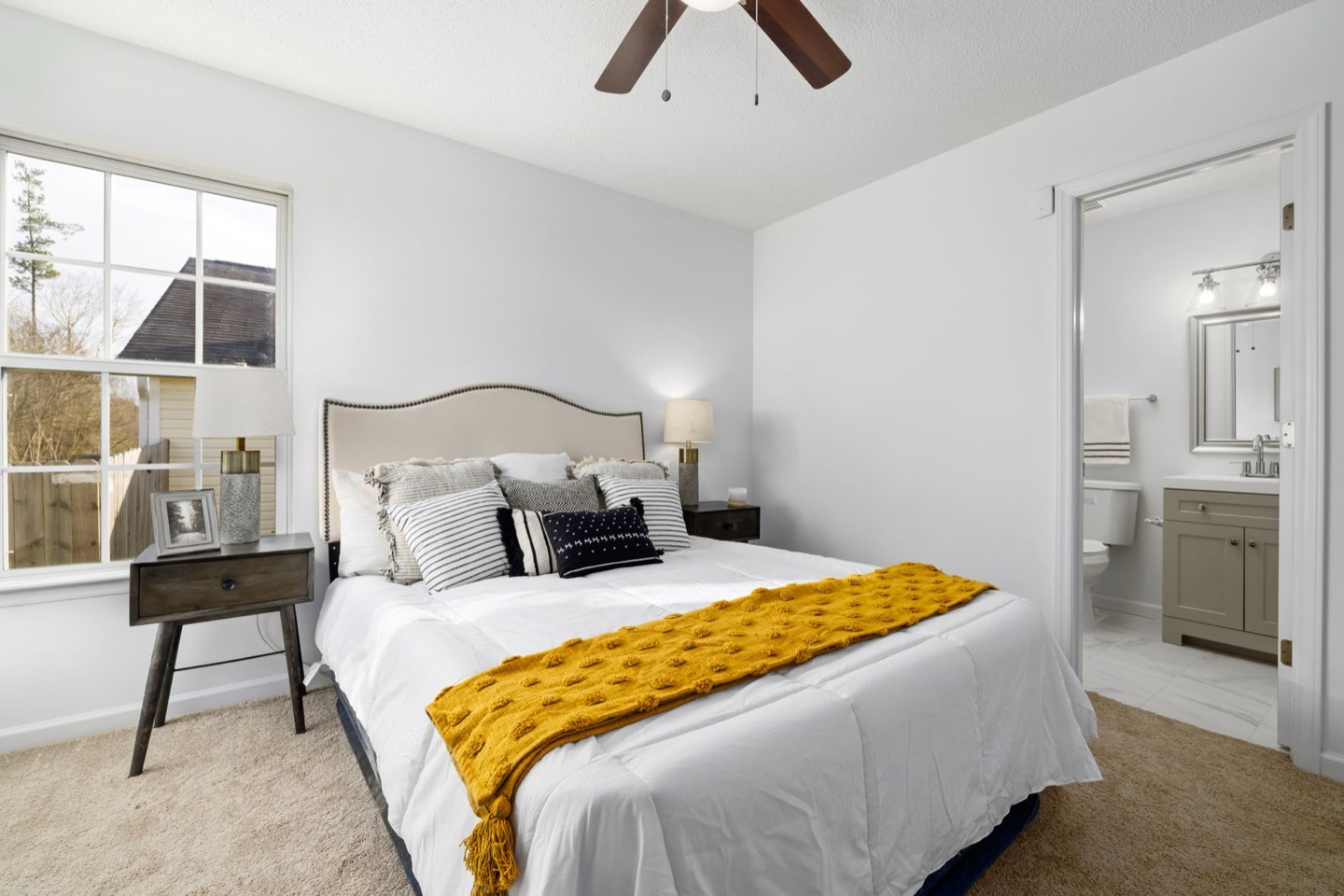 After
The five rules for small bedroom photography
1. Pale everything you control. Wall color, bedding, rug — everything you choose should pull toward cream, white, or a warm neutral. Dark surfaces absorb light; pale surfaces bounce it. In a small room, every surface bouncing light back is working for you.
2. Platform bed, no footboard. A footboard eats 18 inches of visual length from the bed and closes off the sightline from the door. A low platform bed with just a headboard reads as modern and keeps the room feeling open.
3. Visible floor space. In small bedrooms, the floor is how the camera communicates size. A rug that's correctly sized (at least 8x10 for a queen) anchors the bed zone without covering all the floor — you want visible floor between the rug edge and the walls. Never push all furniture to the walls; pulled-in furniture reduces visible floor space and makes the room look smaller.
4. One lamp per nightstand, not overhead. Overhead lighting creates harsh downward shadows in small rooms. A pair of bedside lamps at 2700K replaces and outperforms overhead lighting for both photography and guest experience.
5. Ceiling-height curtains. Hung at or near the ceiling line (not at the window frame), floor-to-ceiling curtains add vertical height that the camera reads as a larger, taller room. This is the single most impactful trick for rooms with low ceilings.
The floor plan decisions that matter
In a small bedroom, furniture placement is more impactful than furniture quality. Two wrong placements are responsible for most small-bedroom photography failures:
Mistake 1: Furniture against every wall. Pushing the dresser, the nightstands, and the chair flush to all four walls feels logical but photographs as cluttered and closed-in. Pull the bed 12–18 inches from the side wall if possible to create visible negative space on at least one side.
Mistake 2: Multiple large pieces. A queen bed plus a dresser plus a desk plus an accent chair in under 200 square feet is four pieces too many. Remove one. In a small bedroom, the bed, two nightstands (or one), and one storage piece are enough. Everything else adds visual noise without adding function.
The camera position: Shoot from the corner of the room farthest from the headboard, angled 45 degrees so two walls are visible. The bed anchors the near-field, the window or art anchors the far-field. This is the composition that reads as "real room" rather than "tight closet."
Shopping list: under $1,000
Shopping list
- White platform bed frame (queen, no footboard)Low profile, visible legs. A floating bed reads as a larger room. No footboard keeps the sightline to the far wall open.$219
- White waffle-weave duvet set + 2 shamsWhite bedding is the single most reliable signal of a clean, premium space. Waffle texture adds depth without pattern noise.$89
- Ceiling-height linen curtains, 96-inch pair (cream)Hung at the ceiling line, not the window. The vertical line reads as room height in photos.$55
- 8x10 flatweave or jute rug (cream or natural)Correctly sized. Pale color bounces light. Flatweave keeps visual weight low.$119
- Two matching ceramic bedside lamps + 2700K bulbsWarm, symmetric, photographer-ready. This pair replaces overhead reliance and makes the room read as intentional.$86
- Large mirror (at least 24x36)Reflects light and creates visual depth in a small room. Position it to catch window light.$78
- Single floating nightstand (if space is tight)Mounted to the wall, takes no floor space. Keeps the floor visible beneath it.$58
- Slim storage bench or blanket chest (low)At the foot of the bed, low profile. Adds storage without adding visual height. Doubles as seating in photos.$89
- Cream linen throw, folded at foot of bedOne textile accent at the foot. More than one throw looks styled-to-death in a small room.$38
- One small trailing plant in a slim potNature element. One plant in a small bedroom reads as intentional. More than one reads as crowded.$24
Paint: the fastest room-enlarging move
In a small bedroom, wall color does three things: sets the warmth, bounces or absorbs light, and determines how every piece of furniture photographs against it.
Best options:
- Benjamin Moore "White Dove" OC-17 — the go-to warm white for north-facing and light-limited rooms
- Sherwin-Williams "Alabaster" SW 7008 — slightly warmer, works in east-facing rooms
- Benjamin Moore "Chantilly Lace" OC-65 — cleanest warm white; pairs with any furniture
Ceiling: same color as walls or one shade lighter. It blurs the ceiling line and makes the room feel taller in photos.
Finish: eggshell, always. Wipeable and reads flat in photos.
For your specific room, preview three warm neutral options on your actual wall photos before buying paint — orientation and existing light dramatically change how the same color reads.
Lighting deep dive
Small rooms benefit from a specific lighting geometry:
- Two bedside lamps at 2700K (main source during photos and evenings)
- One floor lamp or wall sconce (secondary source, eliminates dark corners)
- No overhead fluorescent — turn it off before shooting
The goal is a room with no harsh shadows and no dark corners. Every dark corner in a small bedroom photo registers as a square foot of "cramped." Lighting the corners removes that perception.
The cover photo approach
For a small bedroom listed as the primary sleeping space, the cover photo needs to do one thing: convince the guest the room is adequate for what they paid. The way to do that:
- Shoot from the farthest corner, angled 45 degrees, queen bed in frame
- Include the window if there is one — light pulling from outside creates depth
- Visible floor between the rug and the closest wall (do not crop the floor)
- No visible clutter in any corner of the frame
If the room is a secondary bedroom (a studio with a separate sleeping alcove, or a two-bedroom with a small second room), set expectations honestly in the listing copy. Then make the photos as good as possible within those honest constraints. Guests who book knowing a room is small and find a well-staged, warm, bright version of "small" leave great reviews. Guests who felt misled by optimistic staging of a cramped room do not.
See your room before changing anything
Preview three staging options for your small bedroom before spending anything. The before/after at the top is a real Restage output — same 180 square feet, different palette and furniture choices, dramatically different feel in photos. See pricing here or scope the full restyle with the design planner.
See your small bedroom styled to look bigger than it is
Upload one photo. Three variants with shopping lists for your specific room. First restyle free.
Preview My Bedroom$29 per additional room · One-time · No subscription
FAQ
What's the maximum furniture I should put in a small bedroom? Queen bed, two nightstands (or one if space is very tight), one storage piece (dresser or bench), and one accent. That's it. Every additional piece compresses the perceived size in photos. When in doubt, remove rather than add.
Should I use a queen or full bed in a small room? Queen if it fits. A queen reads as hotel-grade in listing photos; a full reads as a step down. If a queen leaves less than 24 inches of space on each side, a full is better — but position it so there's at least 18 inches on the photography side.
My ceiling is low (under 8 feet). What helps? Ceiling-height curtains (96-inch, hung at the ceiling line) are the most impactful single change. Painting the ceiling the same color as the walls removes the visual cap. Avoid pendants or tall headboards — they make low ceilings look lower.
Is it worth staging a small secondary bedroom? Yes — especially if you're listing a two-bedroom property. Guests look at every room's photos when deciding whether to book. A well-staged secondary bedroom can be the deciding factor when a guest is comparing your two-bedroom against a competitor's. Don't sacrifice it.