A warm minimal living room is the highest-converting aesthetic in short-term rentals right now. It photographs better than rustic farmhouse, it pulls wider than boho, and it doesn't date the way coastal or industrial does. The catch is that most hosts swing too cold (white walls, grey furniture, no warmth — reads like a vacant staging house) or too busy (layers added to compensate for a plan they never made). Below is the room done right: a warm minimal living room built around a clear palette and a shopping list that comes in well under $800, with every decision tied to what actually matters in photos.
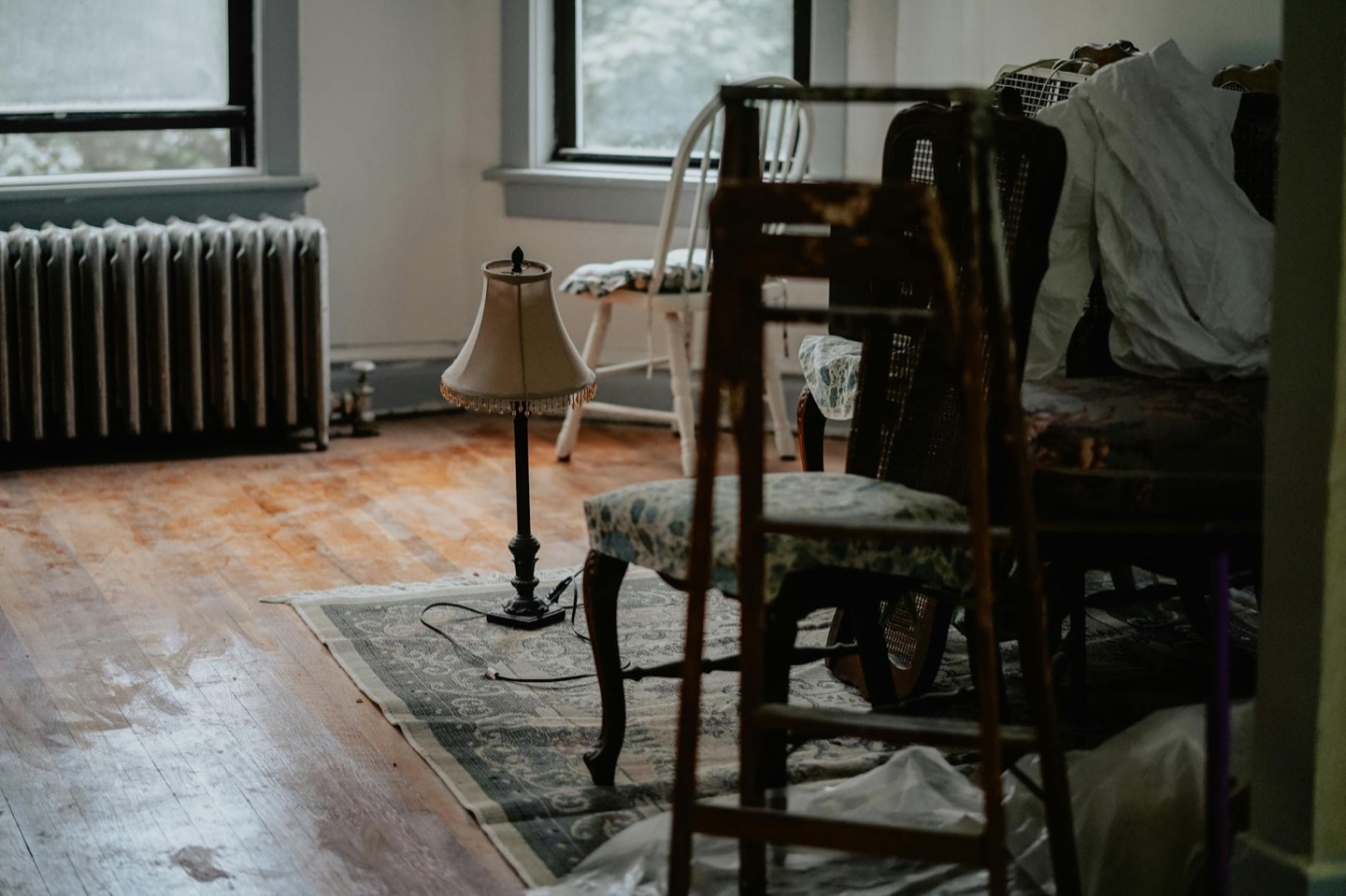 Before
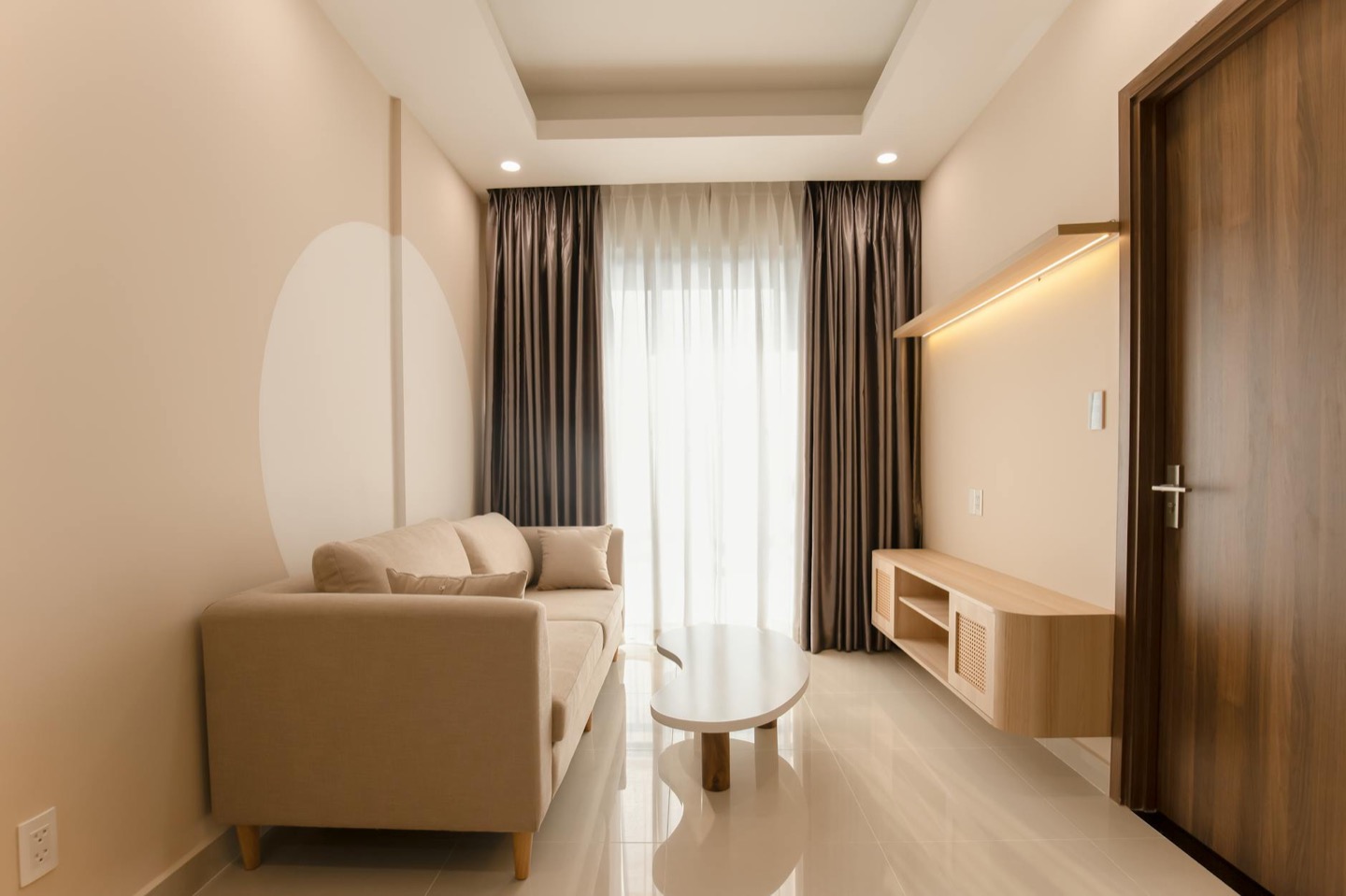 After
What warm minimal actually means
Warm minimal is not minimalism with beige furniture. It's a palette choice — warm neutrals, natural materials, and deliberate restraint — in service of a room that reads calm and inviting rather than cold and empty.
The three non-negotiables:
- A warm undertone everywhere. Walls, textiles, and wood all pull toward cream, sand, terracotta, or amber — never cool grey, never bright white.
- Natural materials doing visible work. Linen, rattan, jute, and raw wood aren't decoration. They're what makes "minimal" feel livable instead of sterile.
- Negative space held on purpose. Surfaces stay mostly clear. The eye rests. Guests photograph it because it doesn't look like anyone's cluttered home.
This is why it converts: a guest booking a two-night trip doesn't want to feel like a house-sitter. They want calm. The room becomes a short-term rental design that's both easy to stage and easy to clean.
The paint decision (do this first)
Before anything else goes in the room, the wall color sets the palette — and warm minimal has a narrow band of colors that actually work.
Avoid:
- Bright white or pure white (too cold, too clinical)
- Cool grey (the palette flattens, nothing pops)
- Greige with a blue undertone (looks cheap in warm light)
Use:
- Benjamin Moore "White Dove" OC-17 — warm, slightly creamy, works in low-light rooms
- Sherwin-Williams "Accessible Beige" SW 7036 — slightly deeper, reads sandy in good light
- Farrow & Ball "Elephant's Breath" — for a room with good natural light, this is the premium version of the palette
- Benjamin Moore "Pale Oak" OC-20 — best in west-facing rooms where light is warm by afternoon
Finish: eggshell, not matte. This is a rental — matte marks. Eggshell is wipeable and still reads as flat in photos.
Not sure how a color looks in your specific room? Preview three warm neutral options on your actual walls before buying a can. Takes two minutes.
The furniture plan
Warm minimal is unforgiving of the wrong sofa — it's the biggest surface in the room and it either holds the palette or fights it. This is where hosts lose the plot: they buy a cool grey sofa because it was on sale, then spend the next year trying to warm it up with throws.
Sofa: Linen, boucle, or performance-fabric in oat, cream, or warm sand. Not grey, not white, not dark navy. If your current sofa is cool-toned, a well-fitting slipcover in natural linen ($120–$180 on Amazon or Etsy) is faster than a replacement and works in photos.
Coffee table: Natural wood, rattan, or a combination. Avoid glass and chrome — they fragment the warm palette in photos. A round or oval table keeps the room from feeling boxy.
Rug: Jute, boucle, or flatweave wool in cream, sand, or a warm low-contrast pattern. 8x10 minimum under a standard sofa. Thin or undersized rugs ruin the proportions in every photo.
Side furniture: Keep it short and simple. One rattan chair or a linen side chair. One small end table per seated surface. Nothing with chrome legs.
Shopping list
- Linen sofa cover or oat boucle loveseatThe sofa sets the palette. Warm linen or boucle in oat/cream does the heavy lifting.$149
- Round solid-wood coffee tableNatural grain, warm tone. Round tables photograph more forgiving than rectangular in tight rooms.$189
- 8x10 jute or braided wool rugGrounds the seating area. Undersized rugs are the single most common living room mistake in listing photos.$129
- Rattan accent chairNatural material, visible texture, photographically rich — adds warmth without visual weight.$119
- Linen curtains 84-inch pair (cream or sand)Hung high and wide. Let daylight soften through them — the diffuse glow is half the look.$55
- Terracotta or cream ceramic lamp + shadeWarm-toned base, natural material. The lamp is almost always visible in listing photos.$68
- Woven seagrass basket (large)Functional storage that photographs as intentional styling. Holds throw blankets in the corner.$34
- Natural linen throw x2Drape one on the sofa arm, one in the basket. Natural material that reads cozy without going blanket-store.$44
- Low-contrast botanical prints, framed pairSolves blank walls cleanly. Muted palette doesn't compete with the room.$38
- Trailing pothos or fiddle leaf in natural clay potOne real plant. It's the easiest thing to add that makes a listing look lived-in without cluttered.$28
Lighting: warm, layered, not overhead-only
Overhead lighting is the fastest way to kill a warm minimal room in photos. A single ceiling fixture with a cool-white bulb flattens every warm tone in the room. The formula that works:
- Replace every overhead bulb with 2700K dimmable LED. If you're shooting photos before the 2700K bulbs arrive, turn the overhead off entirely and shoot with lamps only. The photos will look better.
- Add a floor lamp or tall table lamp. A warm-light uplighter in the corner creates depth and fills the room in photos without adding furniture mass.
- One accent light. A rattan pendant over a dining area, a small lamp on a console — its job is to create a secondary pool of warmth separate from the sofa zone.
The three-layer rule: overhead (dimmed), table lamp, accent. Any room with all three layers photographs warm and inviting in any daylight condition.
The surfaces rule
Warm minimal fails when surfaces get messy. The rule in short-term rental staging: every visible surface gets either one object, two objects, or three objects — never more.
Coffee table: a tray, a candle, and one small object inside the tray. Nothing else.
Console or sideboard: a lamp, one stack of books, one small plant or object. Three items. Full stop.
Dining table: a simple centerpiece (one plant or a bowl of objects) when not set for a meal. Nothing else while photos are being taken.
The reason isn't aesthetics — it's that guests process surfaces quickly. A cluttered surface reads as "someone's stuff" before they've consciously registered it. An empty or minimal surface reads as "mine for the week." That shift in feeling is what drives bookings.
The order of operations
The single most common staging mistake is buying furniture before having a plan — ending up with pieces that don't read as a cohesive palette in photos.
The smart order:
- Paint first. The wall color anchors everything.
- Set the sofa. Either slipcover what you have or replace it. The sofa is non-negotiable because it's in every wide shot.
- Add the rug. Get the size right — 8x10 minimum.
- Layer textiles. Curtains, throw, cushions in the same palette.
- Add natural materials. Basket, plant, rattan chair or lamp.
- Light it warm. Swap bulbs, add the floor lamp.
Before you spend on step 2 or beyond: preview the finished room. Upload a photo of your current space, pick the warm minimal track, and see three variants before a dollar moves — including a shopping list pulled for your specific room. That's the difference between a room that photographs as intended and a room that almost works.
What kills warm minimal (and how to fix it)
Problem: Walls look cool-grey in photos. Fix: Your phone camera is adding a cool shift. Correct in post, or reshoot during golden hour. If the wall actually is grey, repaint.
Problem: Room looks empty, not minimal. Fix: You've subtracted without layering texture. Add the throw, the plant, and a basket. Warm minimal uses fewer items but each one has more visual weight.
Problem: Photos look dark. Fix: Shoot during your room's brightest hour. Open every curtain. Add the floor lamp in the corner. Never use the flash.
Problem: It doesn't feel cohesive. Fix: One piece is fighting the palette. Usually the sofa (too cool-toned) or the rug (too busy). Identify the outlier and address it.
See your living room in the warm minimal palette
Restage can show you exactly how the paint, furniture, and lighting land in your specific room before you buy anything — three warm minimal variants from a single photo, with a customized shopping list. See the pricing breakdown here, or use the design planner to scope the full room. The before/after at the top of this post is a real Restage output: same bones, new palette, new photos, better bookings.
See your living room styled warm minimal before you spend anything
Upload one photo. Get three warm minimal variants plus a shopping list for your specific room. First restyle is free.
Preview My Living Room$29 per additional room · One-time · No subscription
FAQ
Can I do warm minimal on a $300 budget? Yes — prioritize paint (highest ROI, low cost), a linen throw, two warm-bulb lamp swaps, a large jute rug, and one plant. That's under $300 and handles 75% of the visual transformation.
My sofa is dark grey — do I have to replace it? Not necessarily. A well-fitted cream or oat linen slipcover ($120–$180) covers it in photos. Stack two linen cushions in a warm tone and drape a natural throw. In a wide shot with good lighting, it reads warm enough.
How do I know which warm white to paint my specific room? The orientation of your windows matters a lot — north-facing rooms need warmer undertones than south-facing ones. Preview three color options on your actual wall photos before buying paint.
How long between repainting and seeing a booking lift? Two to four weeks after new photos go live. Airbnb gives fresh photos a visibility bump, and the warmer palette does the rest.