Adding sleeping capacity is one of the most reliable ways to raise a rental's nightly rate. A home that sleeps eight competes in a different, often less crowded, search than one that sleeps six. And families and friend groups will pay more for a place where everyone has a real bed.
When you're short on bedrooms, the two classic space-savers are bunk beds and trundle beds. Both turn one bed's footprint into two sleeping spots. But they work for different guests, different rooms, and different budgets.
The verdict: Choose bunk beds to maximize capacity in a dedicated kids' or bunk room, especially a twin-over-full or a room with two sets of bunks. They add the most beds per square foot and are a feature families actively search for. Choose a trundle bed, ideally a daybed with a pop-up trundle, for multi-use rooms, rooms with low ceilings, and anywhere adults might sleep. It keeps the room open by day and looks like a sofa in photos.
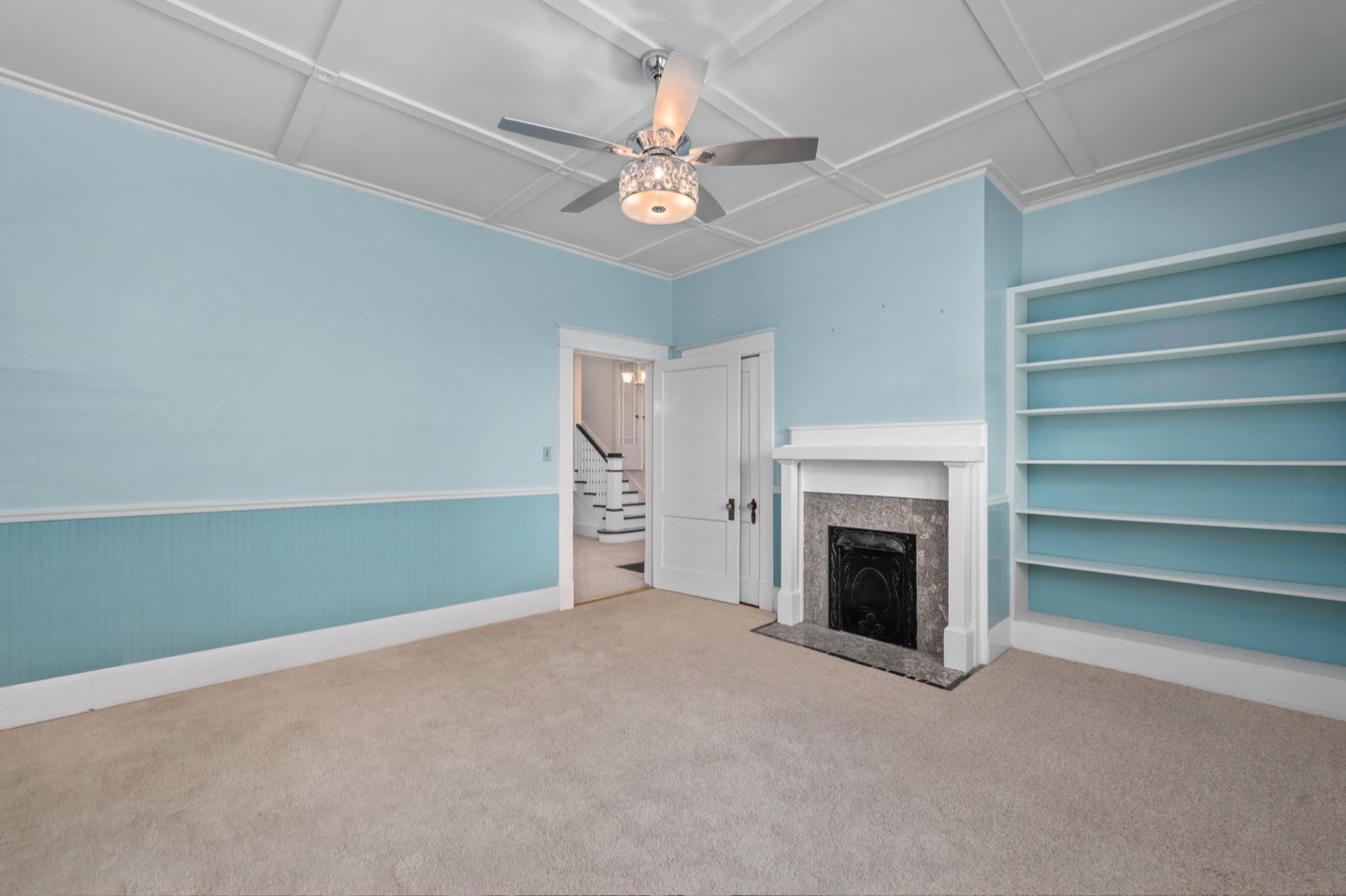 Before
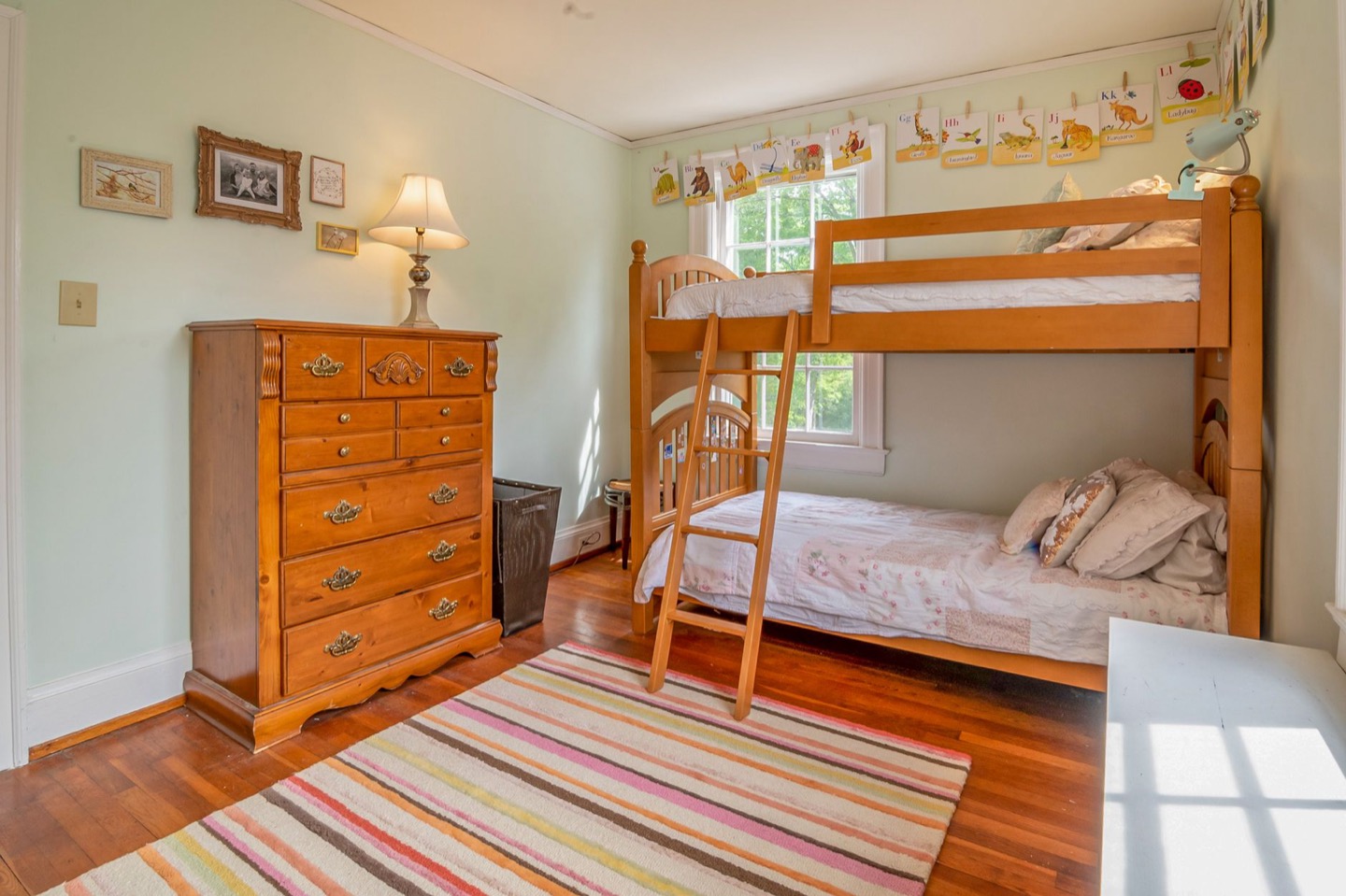 After
Side by side
| Bunk beds | Trundle bed | |
|---|---|---|
| Sleeps in one footprint | 2–3 (twin/twin, twin/full, triple) | 2 |
| Floor space by day | Uses the footprint only | Uses the footprint only |
| Floor space at night | No change | Needs space to pull out |
| Ceiling height needed | High (about 8 ft+ recommended) | Any |
| Good for adults | Bottom bunk yes; top bunk limited | Pop-up trundle yes; low trundle less so |
| Good for kids | Excellent; kids love them | Good |
| Safety concerns | Falls from top bunk; guardrails required | Minimal |
| Look in photos | Fun, "bunk room" feature | Like a daybed or sofa |
| Cost | About $300–$1,500+ | About $300–$1,000 |
Why capacity matters
More guests often means a higher rate. A family of six looking at two homes will often pick the one where nobody sleeps on a sofa, and pay more for it.
It moves you into a different search. Guests filter by number of guests and beds. Going from six to eight can put your listing in front of large families and groups with fewer competing options.
Bunk rooms are a draw. For family vacations, especially at beach and mountain destinations, a dedicated bunk room is a selling point that kids remember and parents mention in reviews.
The catch is that capacity has to be real. Guests count beds against the number of people in their party. If your "sleeps 8" includes a lumpy sofa bed and a futon, expect comments.
Bunk beds: when they win
A dedicated kids' room or bunk room. Two sets of twin-over-twin bunks in a 12 x 12 room sleep four kids, and the room becomes a feature of the listing.
Twin-over-full for flexibility. A full bed on the bottom works for an adult, a parent with a small child, or two siblings; the top twin handles one more.
Triple bunks or bunks with a trundle. In tall rooms, some designs sleep three in one footprint, or add a trundle under the bottom bunk.
Ski and beach homes. These destinations draw large family groups, and built-in bunk rooms are part of the expected experience.
Safety essentials for bunks
Bunk beds carry real safety responsibilities in a rental. Follow the manufacturer's instructions and these widely recommended guidelines:
- Guardrails on both sides of the top bunk, including the wall side, with small gaps that a child can't slip through.
- Correct mattress thickness. The guardrail must stay well above the mattress surface. A thick mattress on top can make guardrails too short to be effective.
- No young children on the top bunk. Safety agencies recommend children under 6 sleep on the bottom.
- Secure ladder and a night light near it.
- Check weight limits. Standard top bunks are often not designed for adults. If adults might use them, buy adult-rated, heavy-duty bunks.
- Anchor and inspect. Tighten bolts at regular intervals; add the bunks to your cleaner's checklist.
Include a note in your house rules about top bunk use, and list the room accurately as "bunk beds" so guests know what to expect.
Ceiling height
Measure before you buy. Guests on the top bunk need enough room to sit up without hitting the ceiling. Most standard bunks need at least an 8-foot ceiling to be comfortable, and taller designs need more. Check for ceiling fans and light fixtures above the top bunk.
Trundle beds: when they win
Rooms that need to do two jobs. An office, den, or reading room that occasionally sleeps guests. A daybed with a trundle looks like a sofa by day and sleeps two at night.
Rooms with low or sloped ceilings. Attic rooms and basement bedrooms often can't fit bunks.
Adults or mixed groups. A pop-up trundle rises to the same height as the main bed and can lock together to form a king-size surface. That makes it far more comfortable for adults than a floor-level trundle.
Under an existing twin bed in a kids' room, to add a sleepover spot.
What to look for
- Pop-up mechanism if adults may sleep on it.
- Smooth casters that won't scratch floors (felt or rubber wheels).
- Real mattresses, not thin pads. Check maximum mattress thickness for the trundle frame.
- Floor space: you need roughly the length of a twin bed clear in front when it's pulled out.
How each one photographs
Bunk beds photograph as a feature. A well-styled bunk room with matching bedding, reading lights, and hooks for each sleeper is one of the most shareable photos in a family listing. Messy bunks with mismatched bedding look like a summer camp, so style them carefully.
Trundles photograph as a daybed or sofa. That keeps the room looking open and multi-purpose, which helps small rooms. It's similar to the approach in our small bedroom staging ideas.
Comfort: the mattress still matters
Small beds get cheap mattresses, and guests notice. Kids won't complain, but parents who end up sleeping on a bunk will. Use quality foam mattresses rated for bunks and trundles, within the maximum thickness, and add mattress protectors. Our memory foam vs hybrid guide explains why foam usually suits these beds best.
Bunks, trundles, or a sofa bed?
All three add capacity. Roughly:
- Bunks: most capacity per square foot; best for kids.
- Trundle: flexible and adult-friendly with a pop-up; best for multi-use rooms.
- Sofa bed: best in living rooms where a sofa is needed anyway; see our sleeper sofa vs futon guide.
And if a room can fit two real beds, that's still the most comfortable option. Our king vs queen bed guide covers the two-queens strategy for groups.
Shopping list
- Twin-over-full bunk bed, solid wood, with full guardrailsSleeps three, with a full bottom bunk that works for an adult.$650
- Bunk-rated foam mattresses (twin + full)Comfortable, within guardrail height limits, and easy to lift onto the top bunk.$400
- Clip-on reading lights (x2)Every sleeper gets their own light, which guests love.$40
- Wall hooks or small shelves per bunkGives each guest a place for a phone, glasses, and a water bottle.$30
- Matching white bedding sets + protectorsMatching bedding makes a bunk room look designed instead of improvised.$160
Listing it correctly
- List bunk beds as "bunk bed" in the sleeping arrangements, not as "twin beds."
- List trundles as "floor mattress" or "twin bed" depending on height, and explain pop-up trundles in the description.
- Say which beds suit adults and which suit kids. Honest expectations prevent bad reviews.
How it plays out in three common rentals
A four-bedroom ski house. One bedroom becomes a bunk room with two twin-over-full bunks, reading lights, and hooks. It sleeps six, and families book it for the kids' room alone. The listing moves from "sleeps 8" to "sleeps 12."
A two-bedroom city condo with a home office. A daybed with a pop-up trundle turns the office into a third sleeping space for two adults. The office still photographs as a workspace.
A cottage with a sloped attic bedroom. Bunks won't fit under the slope. A low twin bed with a trundle uses the space under the eaves and sleeps two kids comfortably.
Quick decision checklist
- Dedicated kids' room with an 8 ft+ ceiling? → Bunk beds
- Want the most beds per square foot? → Bunk beds, possibly two sets
- Multi-use room, office, or den? → Daybed with trundle
- Low or sloped ceiling? → Trundle
- Adults likely to sleep there? → Pop-up trundle or a twin-over-full bunk
Plan the room before you buy
Bunk beds and trundles depend on exact measurements: ceiling height, pull-out clearance, ladder position, and door swing. Map it out in our Airbnb design planner before ordering anything.
See your spare room sleeping more guests
Upload a photo of the room. Preview it restyled with space-saving beds, bedding, and storage, plus a shopping list. First room is free.
Restyle My Room$29 per additional room · One-time · No subscription
FAQ
Are bunk beds a good idea for an Airbnb? Yes, for family-focused rentals. They add the most capacity per square foot and are a popular feature with kids. Follow safety guidelines carefully.
Can adults sleep on bunk beds? The bottom bunk, yes. The top bunk only if it's rated for adult weight and there's enough headroom.
Is a trundle bed comfortable for adults? A pop-up trundle that rises to bed height is fine for adults. Low, floor-level trundles are better for kids.
How high does a ceiling need to be for bunk beds? At least about 8 feet for most standard bunks, so the top sleeper can sit up. Measure carefully and check for ceiling fans.
Should bunk beds count toward guest capacity? Yes, if they're safe and comfortable for the guests you list. Note any age or weight limits in your listing and house rules.