Japandi and Scandinavian are the two styles most hosts land on when they want a rental that looks calm, clean, and current. Both use natural wood, neutral colors, and simple furniture. Both photograph well. And both are easy to get slightly wrong, which turns "serene and intentional" into "sparse and unfinished."
They aren't the same look, though, and the difference matters for your property, your guests, and your budget.
The verdict: Choose Scandinavian if your rental is bright, family-friendly, or in a beach, city, or suburban setting. It's lighter, cozier, easier to furnish on a budget, and more forgiving of wear. Choose Japandi if your rental is a design-led getaway, a cabin or mountain retreat, or a couples-focused stay at a higher price point. It's moodier, more grounded, and photographs as more "boutique," but it needs discipline to keep clutter out.
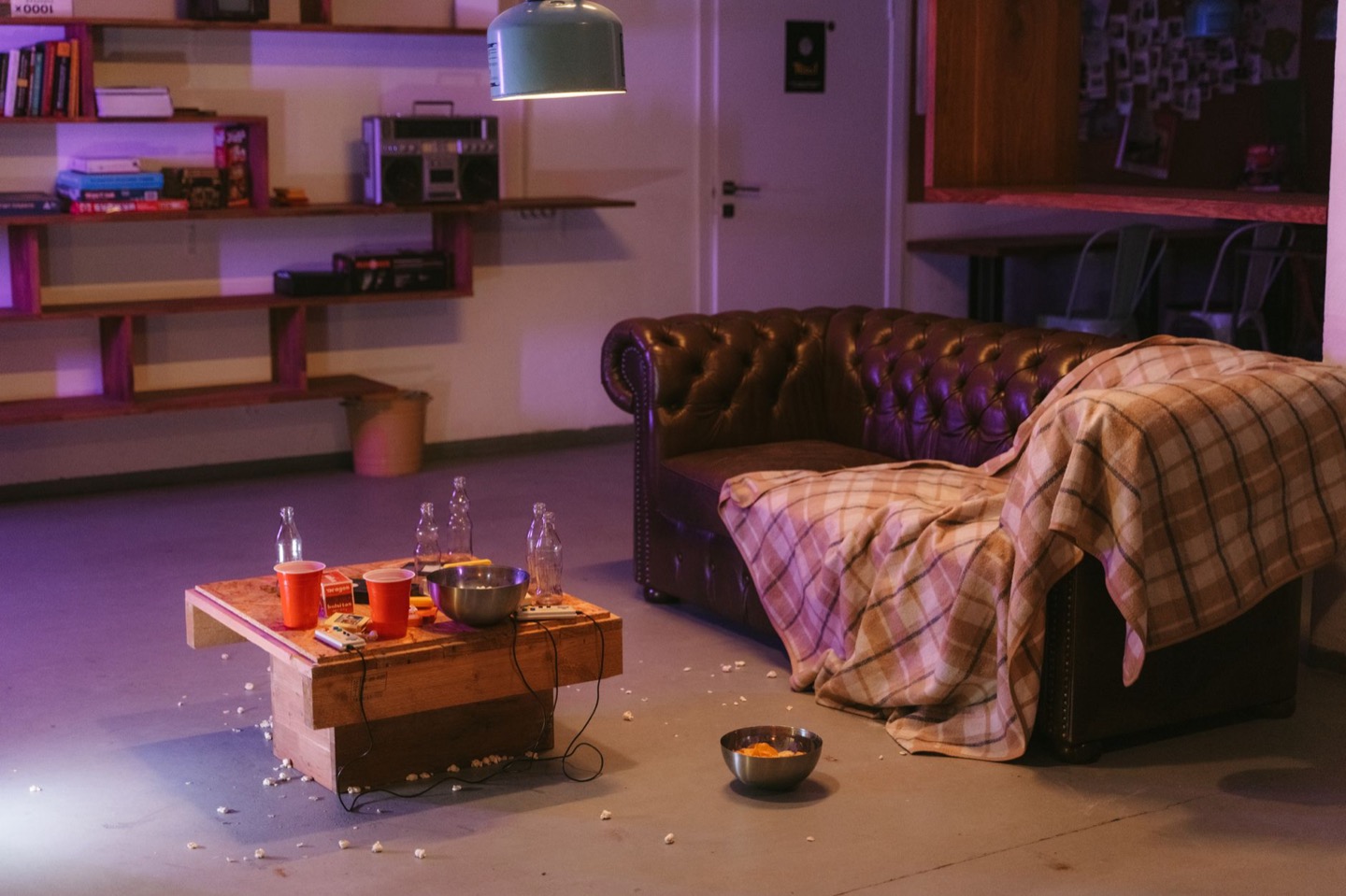 Before
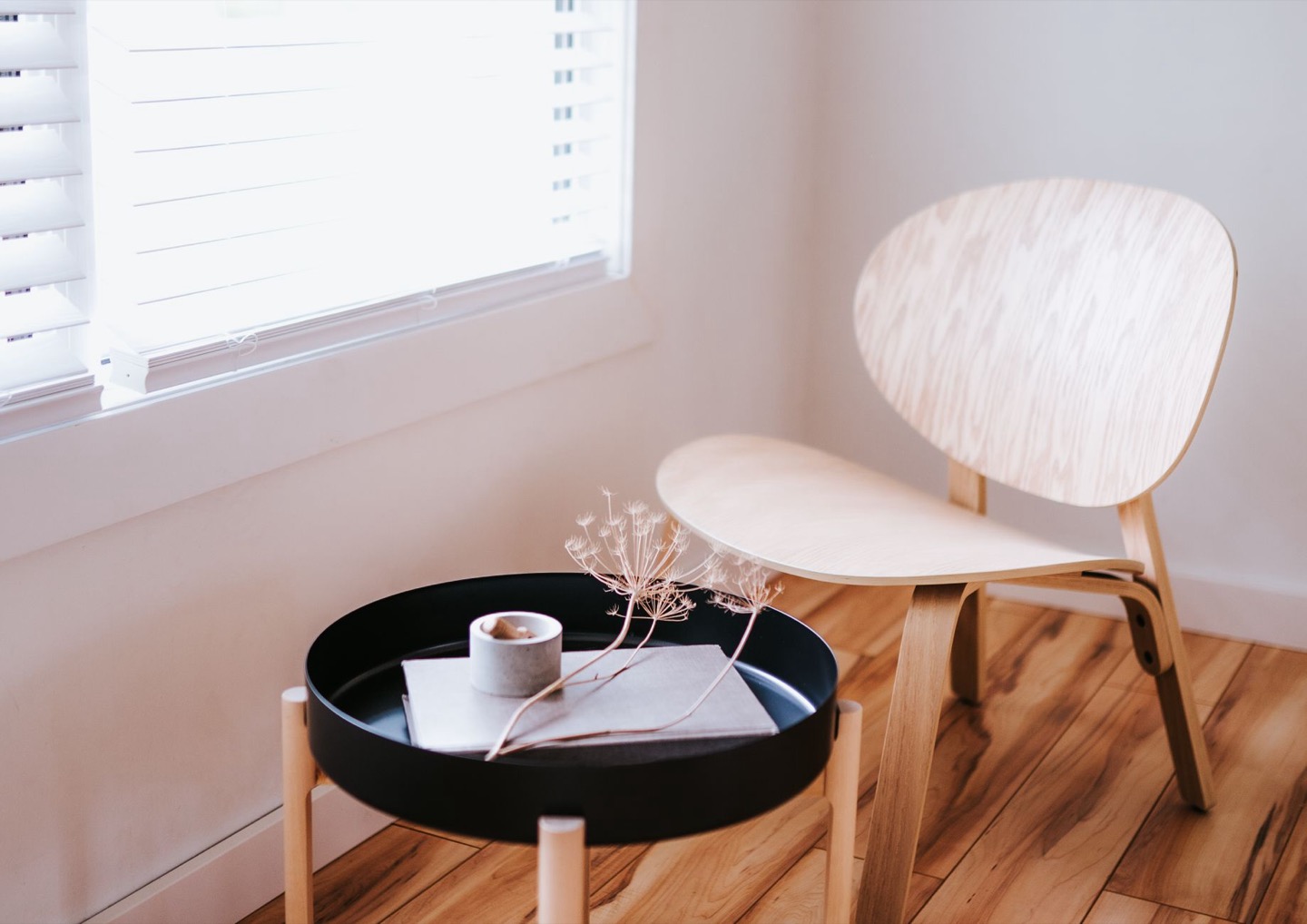 After
What each style actually is
Scandinavian comes from Nordic homes built for long, dark winters. It maximizes light: white or pale walls, light woods like ash, birch, and pale oak, soft textiles, and simple, functional furniture. The mood is bright, airy, and cozy. Think "hygge": candles, throws, sheepskin, and a well-lit reading corner.
Japandi is a blend of Japanese and Scandinavian design. It keeps the Scandinavian focus on function and comfort, and adds Japanese restraint: lower furniture, darker and more varied woods, earthy tones, handmade ceramics, and an appreciation of imperfection (wabi-sabi). The mood is calm, grounded, and quiet.
Put simply: Scandinavian is light and cozy. Japandi is earthy and serene.
Side by side
| Scandinavian | Japandi | |
|---|---|---|
| Palette | White, pale gray, soft pastels, black accents | Warm neutrals, greige, clay, charcoal, muted green |
| Wood | Light: ash, birch, pale oak | Mixed: oak plus darker walnut or stained wood |
| Furniture | Light, leggy, rounded edges | Low, solid, clean lines |
| Textiles | Wool, sheepskin, knit, cotton | Linen, cotton, jute, nubby natural weaves |
| Decor | Candles, plants, graphic prints | Ceramics, single branches, paper lanterns |
| Mood | Bright, cozy, cheerful | Calm, grounded, quiet |
| Budget ease | Very easy (widely available) | Moderate (good pieces cost more) |
| Wear tolerance | High; light woods hide scratches | Moderate; dark woods show dust and scratches |
How each one photographs
Scandinavian photographs bright. Light walls and pale wood bounce daylight, so rooms look large and airy even in small spaces. That's a major advantage for city apartments, studios, and rooms with modest windows. The risk is a room that looks too white and flat. You need texture (knit throws, a wool rug, a plant) and at least one dark element (a black lamp or frame) to give the camera depth.
Japandi photographs moody and editorial. The mix of wood tones and earthy colors creates depth naturally, so rooms look rich and considered. In a large, well-lit space it looks like a boutique hotel. In a small, dark room it can look heavy and dim. Japandi works best where there's good natural light or where you can light the room well with warm lamps.
For a full worked example of each, see our Scandinavian bedroom under $500 and Japandi bedroom under $500 guides. Both show the shopping lists, prices, and styling.
Which style suits your property
Beach and coastal rentals: Scandinavian. The light woods and whites fit naturally with coastal light, and the style shrugs off sand and wear.
City apartments and studios: Scandinavian for small or darker units; Japandi for larger, design-forward lofts with good windows.
Cabins and mountain homes: Japandi. Its earthy palette and darker woods fit wood-heavy interiors, and the calm mood suits a retreat.
Family homes and large groups: Scandinavian. It's more durable, more forgiving, and easier to replace pieces when something breaks.
Couples' getaways and premium stays: Japandi. It reads as "designed," which supports higher nightly rates.
Which style suits your guests
Think about who books and why.
- Families want durability, cheerfulness, and space for kids' things. Scandinavian handles toys and clutter better because its style already includes cozy layers.
- Couples and solo travelers looking for rest and design respond to Japandi's quiet, spa-like feel.
- Remote workers like both; Scandinavian's brighter rooms are better for video calls.
- Groups of friends generally prefer Scandinavian's relaxed, social feel.
The paint colors for each
Scandinavian walls: a soft warm white. Benjamin Moore White Dove or Chantilly Lace keeps the room bright without going cold. Our White Dove vs Alabaster comparison goes deeper on warm whites.
Japandi walls: a warm greige or soft clay. Shades like Sherwin-Williams Accessible Beige, Agreeable Gray, or a muted mushroom tone ground the space. An accent wall in a deeper earthy color, like soft olive or warm charcoal, can work behind a low bed.
Furniture: the shape tells the style
Scandinavian furniture:
- Raised on slim, tapered legs, so you see floor beneath it
- Rounded corners and soft curves
- Light wood, white, and pale gray upholstery
- Spindle-back or molded chairs
- Wall-mounted shelves to free up floor space
Japandi furniture:
- Low to the ground: low beds, low coffee tables, floor cushions
- Clean straight lines with subtle curves
- Solid wood, often with visible joinery or grain
- Mix of light oak and dark walnut or stained wood
- Fewer pieces overall; each one deliberate
A practical note for rentals: very low furniture can be hard for older guests to get in and out of. If your guests skew older, raise Japandi beds and seating to a standard height and keep the style through color and material instead.
Durability in a rental
Scandinavian wins on durability. Pale woods hide scratches and dust, pieces are widely available and cheap to replace, and the cozy layers absorb a bit of mess without looking wrong.
Japandi needs more care. Dark wood shows dust, water rings, and scratches. Linen wrinkles (which is part of the look, but some guests read it as "not ironed"). And the style depends on minimalism, so one guest's suitcase explosion makes it look messy fast. Build in hidden storage: closed cabinets, under-bed drawers, baskets with lids.
Cost
Scandinavian is easier on the budget. Major retailers carry light-wood, Scandinavian-inspired furniture at every price point, and textiles are cheap and easy to swap.
Japandi pieces with solid wood and real craftsmanship cost more, and cheap "Japandi-style" furniture often looks it. Expect to spend more per piece but buy fewer pieces. Handmade ceramics, a few good lamps, and quality linen are where the look comes from.
Mistakes that ruin each style
Scandinavian mistakes:
- Everything white, so the room looks like a blank catalog page
- Too many small decor items ("hygge" turned into clutter)
- Cool, blue-white lighting that makes the room feel cold
Japandi mistakes:
- So few items the room looks unfinished or vacant
- Too dark: dark wood plus dark walls in a small room
- Fake "zen" decor like Buddha statues and bamboo signs, which reads as cliché
A hybrid that works for most rentals
You don't have to pick a pure style. Many of the best-performing rentals use what we call warm minimal: Scandinavian brightness and comfort with Japandi's earthy palette and restraint. Light oak furniture, warm white walls, linen bedding, a jute rug, a few ceramics, and warm lighting. It photographs bright, feels calm, and suits almost every guest. We show it in full in our warm minimal Airbnb living room guide.
How it plays out in three common rentals
A two-bedroom beach condo for families. Scandinavian: white walls, pale oak, washable slipcovered sofa, striped cotton throws, and a big jute-look washable rug. It looks bright in photos and survives sand and kids.
A mountain A-frame marketed to couples. Japandi: warm greige walls, a low oak platform bed, walnut accents, a paper lantern, linen bedding in clay and sand tones, and one large ceramic vase with a branch. It photographs like a boutique retreat and supports a premium rate.
A city one-bedroom for remote workers. The warm minimal hybrid: warm white walls, light oak, a comfortable performance-fabric sofa, a proper desk with a good lamp, and a few ceramics. Bright for video calls, calm for evenings.
Lighting each style
Lighting is where the two styles differ most after dark. Scandinavian rooms use lots of light sources: pendant lamps, wall sconces, candles, and table lamps scattered around to fight long winter evenings. Japandi rooms use fewer, softer sources: paper lanterns, low floor lamps, and indirect light that creates calm pools rather than even brightness. Either way, warm 2700K bulbs keep both styles inviting in photos.
Quick decision checklist
- Small or dark rooms? → Scandinavian
- Families, groups, or high turnover? → Scandinavian
- Tight budget? → Scandinavian
- Cabin, mountain, or retreat setting? → Japandi
- Couples and premium pricing? → Japandi
- Large rooms with good light? → Japandi
- Can't decide? → Warm minimal hybrid
See both in your room
The fastest way to choose is to see your actual room in each style. Restyle your room to preview Japandi, Scandinavian, and warm minimal versions side by side, each with a shopping list and paint codes.
See your room in both styles
Upload a photo and preview your rental restyled in Japandi, Scandinavian, and warm minimal, with shopping lists for each. First room is free.
Restyle My Room$29 per additional room · One-time · No subscription
FAQ
What's the main difference between Japandi and Scandinavian? Scandinavian is lighter and cozier, with pale woods and white walls. Japandi is earthier and calmer, with lower furniture, darker woods, and Japanese restraint.
Which style is better for a small Airbnb? Scandinavian. Light walls and pale wood make small rooms look larger in photos.
Is Japandi just a trend? Its core ideas, natural materials, simplicity, and craftsmanship, have lasted for decades. Avoid trendy decor items and the style will age well.
Can I mix Japandi and Scandinavian? Yes. A warm minimal hybrid that combines Scandinavian brightness with Japandi's earthy palette suits most rentals.
Which style costs less to furnish? Scandinavian, in most cases. Pieces are widely available at every price point, and the look doesn't depend on expensive craftsmanship.